Project coordination best practices: UK construction 2026
Discover essential strategies for UK construction project coordination in 2026, from CDM 2015 compliance to leveraging digital tools for seamless site communication.
By James Shorter ·
Project coordination best practices: UK construction 2026
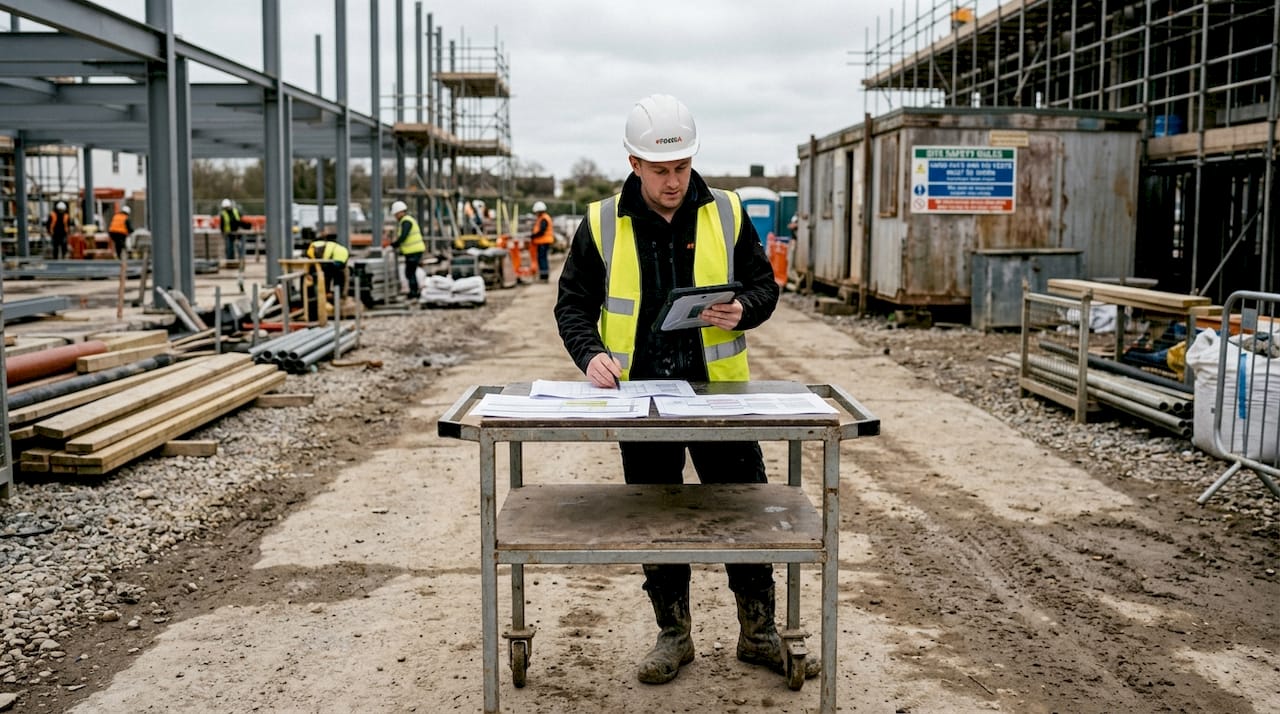 A purpose-built construction snagging software keeps these items tracked through to sign-off.
TL;DR:
- Effective project coordination requires detailed planning, clear task ownership, and robust communication protocols.
- Digital tools improve real-time updates, error reduction, and compliance documentation in UK construction.
- Building trust and a collaborative culture is essential for technology to deliver successful project outcomes.
Keeping teams, tools, and timelines aligned on a busy UK construction site is one of the most demanding challenges a project manager faces. You are balancing subcontractors, clients, compliance requirements, and shifting site conditions all at once. The CDM 2015 regulations set clear expectations for coordinated planning, resource allocation, and communication throughout the project life cycle. Get these foundations right and you will see fewer delays, less rework, and stronger client relationships. This article walks through the essential best practices that UK project managers and site coordinators can apply immediately.
Table of Contents
- Establish clear planning and scheduling foundations
- Enhance communication workflows for collaboration
- Embrace digital tools for project visibility
- Foster a culture of collaboration and proactive risk management
- Why building trust matters as much as tech in project coordination
- Streamline your construction coordination with BRCKS
- Frequently asked questions
Key Takeaways
| Point | Details |
|---|---|
| Plan with precision | Detailed up-front planning and scheduling reduce costly surprises and help projects stay compliant. |
| Communicate effectively | Proactive, structured workflows and open communication channels cut site errors significantly. |
| Leverage digital tools | Appropriate technology streamlines information flow, enhances compliance, and prevents rework. |
| Empower your team | Strong collaboration, trust, and knowledge sharing are the true backbone of effective coordination. |
Establish clear planning and scheduling foundations
Every successful UK construction project begins with a solid plan. The CDM 2015 regulations require a detailed Construction Phase Plan before work starts on site. This document is not just a compliance formality. It is your operational blueprint, covering how work will be organised, how risks will be managed, and how communication will flow between all parties.
Gantt charts remain one of the most practical tools for scheduling tasks and tracking progress. They give every team member a visual reference point, making it easy to spot where dependencies exist and where delays might cascade. Pair your Gantt chart with clear task ownership and you immediately reduce the ambiguity that causes missed deadlines. For a deeper look at planning for builders, structured scheduling is consistently one of the highest-value investments a site team can make.
Key components of an effective construction project plan:
- A detailed Construction Phase Plan aligned with CDM 2015
- Clear task ownership with named responsible individuals
- Logical sequencing that accounts for material lead times
- Resource allocation mapped against the programme
- A risk register updated throughout the project
- A communication schedule covering daily, weekly, and milestone updates
Choosing how to manage your schedule matters too. The table below compares digital project planning tools against traditional manual approaches:
| Feature | Digital planning tools | Manual approaches |
|---|---|---|
| Real-time updates | Yes | No |
| Version control | Automatic | Manual, error-prone |
| Accessibility | Any device, anywhere | Office or site only |
| Audit trail | Built-in | Requires extra effort |
| Collaboration | Multi-user simultaneously | Sequential, slow |
| Error detection | Automated alerts | Relies on human review |
Manual methods can work on very small projects, but they introduce friction and delay at every stage. Digital tools remove that friction. A good surface preparation checklist illustrates how even straightforward site tasks benefit from structured digital tracking rather than paper-based sign-offs.
Pro Tip: Schedule a brief variance analysis review at least once a week, before activities are completed rather than after. Catching a two-day slip on Monday is far easier to recover from than discovering it on Friday.
Enhance communication workflows for collaboration
With robust planning in place, maintaining momentum comes down to seamless communication and collaborative workflows. Poor communication is the single biggest driver of rework and delay on UK construction sites. The good news is that structured protocols can dramatically reduce the noise.
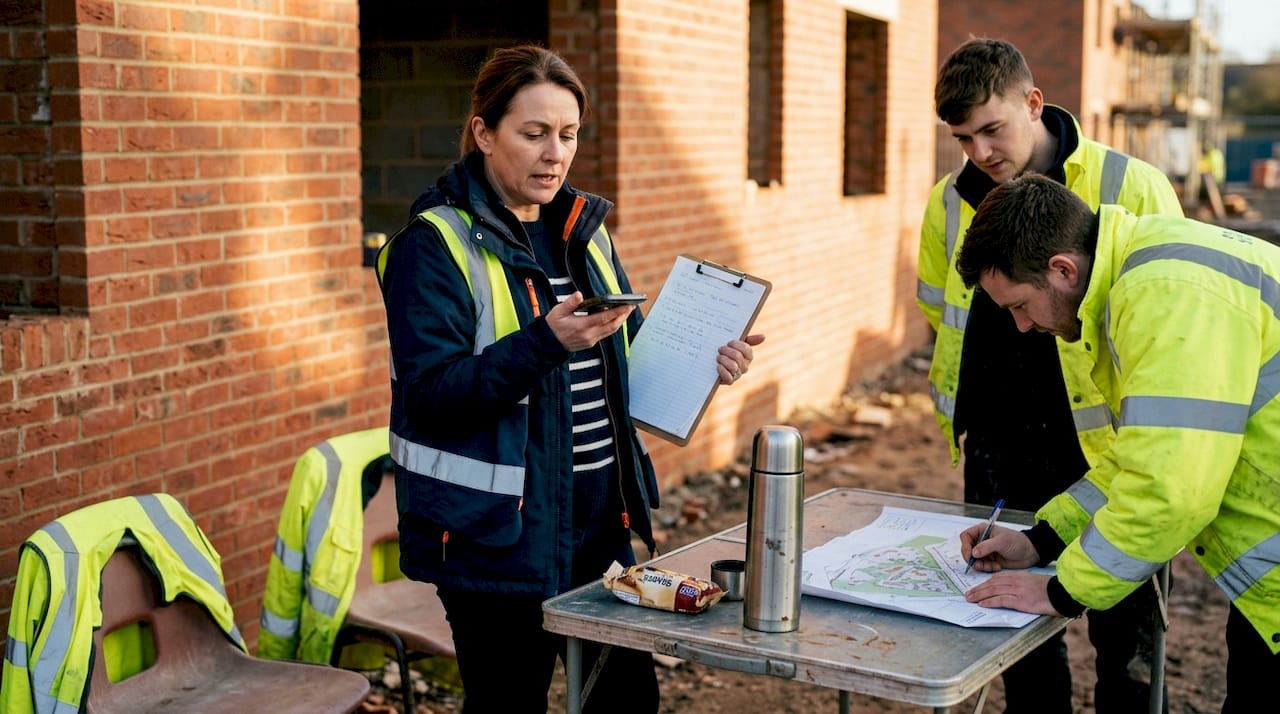
Start by agreeing on communication cadences with your whole team. Daily briefings for on-site trades, weekly progress reviews with subcontractors, and a clear escalation path for urgent issues all need to be defined before work begins. Research on construction project control highlights that UK projects benefit most from proactive variance analysis before activities are completed, not after problems have already taken hold.
Five habits of effective site communication:
- Hold a short daily briefing at the start of each shift
- Use a single, agreed channel for all formal project updates
- Document decisions in writing, even when made verbally on site
- Confirm task completions with a sign-off, not just a verbal update
- Escalate risks immediately rather than waiting for a scheduled meeting
Effective improving site communication is not just about choosing the right app. It is about building habits that the whole team follows consistently. Construction errors can drop by up to 70% with proper information sharing across a project team. That is a significant reduction in rework costs and programme overruns.
Many teams rely on informal messaging for day-to-day updates, but it is worth understanding the risks of WhatsApp for communication in a professional context. Without traceable records, disputes become harder to resolve and CDM 2015 requirements for documented coordination are more difficult to demonstrate.
Pro Tip: Use communication workflows that combine digital tools for formal records with regular on-site check-ins for relationship building. Neither alone is sufficient. The technology captures the facts; the face-to-face contact builds the trust that makes people act on those facts.
Embrace digital tools for project visibility
Beyond communication, leveraging the right technology can transform how site coordination is managed and monitored. The UK construction market now has access to a wide range of project management platforms designed specifically for site environments, covering everything from task tracking to compliance documentation.
When evaluating a digital coordination tool, focus on features that directly address your day-to-day pain points. Monitoring site progress in real time is one of the clearest advantages digital platforms offer over traditional paper-based tracking.
What to look for in a digital coordination tool:
- Real-time updates visible to all relevant team members
- Mobile access so site teams can update records on the go
- Version control for drawings and specifications
- Integration with compliance and inspection workflows
- Automated alerts for overdue tasks or flagged issues
- Audit trails that support CDM 2015 documentation requirements
The data speaks clearly when comparing digital and paper-based approaches:
| Metric | Digital coordination | Paper-based tracking |
|---|---|---|
| Average error rate | Significantly lower | Higher due to manual entry |
| Rework time | Reduced by up to 52% | Baseline |
| Compliance documentation | Automated and searchable | Manual filing required |
| Issue response time | Same day | Often delayed by 24-48 hours |
| Cost of coordination | Lower over project life | Higher due to rework and delays |
Digital records also play a critical role in meeting compliance standards at handover. Inspectors and clients increasingly expect a complete, searchable record of site activity. Dedicated snagging software options allow teams to capture defects, assign remediation tasks, and close them out with photographic evidence, all within a single system. Teams that invest in the right tools report cutting rework by measurable margins. The CDM 2015 overview identifies job costing, Gantt charts, and regular inspections as core technological best practices for modern coordination. A well-structured industrial surface workflow demonstrates how digital tracking reduces errors even in highly technical, process-driven site work.
Foster a culture of collaboration and proactive risk management
Digital tools provide visibility, but people drive progress and prevent mistakes when properly empowered. Technology without a strong collaborative culture will underperform every time. Building that culture starts before the first trade sets foot on site.
Steps to start a project with clear collaboration expectations:
- Hold a project kick-off meeting with all key stakeholders present
- Define roles, responsibilities, and escalation paths in writing
- Agree on communication protocols and document them in the Construction Phase Plan
- Set expectations for how decisions will be recorded and shared
- Schedule regular risk review meetings throughout the programme
- Create a no-blame environment where issues are raised early
Transparency is one of the most underused tools in construction coordination. When everyone on site knows the programme, the risks, and the decision-making process, mistakes are caught earlier and rework is reduced. Sharing information to cut errors is not a soft benefit. It has a direct and measurable impact on project outcomes.
“Proactive risk reviews, conducted before problems escalate, are the single most effective way to minimise costly surprises on site. Waiting until an issue becomes visible is already too late.”
CDM 2015 regulations require cooperation, coordination, and risk management from pre-construction through to handover. Regular risk assessments and knowledge-sharing meetings are not optional extras. They are the mechanisms that keep a project on track when conditions change, which they always do. A structured approach to facility managementgement for compliance shows how consistent risk protocols protect both quality and programme across complex site environments.
Why building trust matters as much as tech in project coordination
Here is something the industry does not say often enough: software will not fix a broken team. We see it regularly. A firm invests in a new coordination platform, runs the onboarding sessions, and then wonders why adoption is low and problems persist. The technology was fine. The relationships were not.
Research on construction project control confirms that poor site relationships compound coordination problems even when the latest tools are in place. Trust, clarity, and accountability are the conditions that allow technology to deliver its promise.
The most effective project managers we observe do not just manage tasks. They walk the site regularly, have direct conversations with trades, and create an environment where people feel safe raising concerns early. No app replicates that. When choosing construction software, the question should not be which platform has the most features. It should be which platform your team will actually use, because the culture supports it.
Pro Tip: Invest as much effort in relationship-building and site culture as you do in onboarding new digital tools. A trusted team with average software will outperform a fractured team with the best platform every time.
Streamline your construction coordination with BRCKS
Putting these best practices into action is far more consistent when you have a platform built specifically for UK construction teams. BRCKS brings together project updates, task management, file sharing, team chat, and client portals in one place, so your coordination workflows are not scattered across multiple tools.
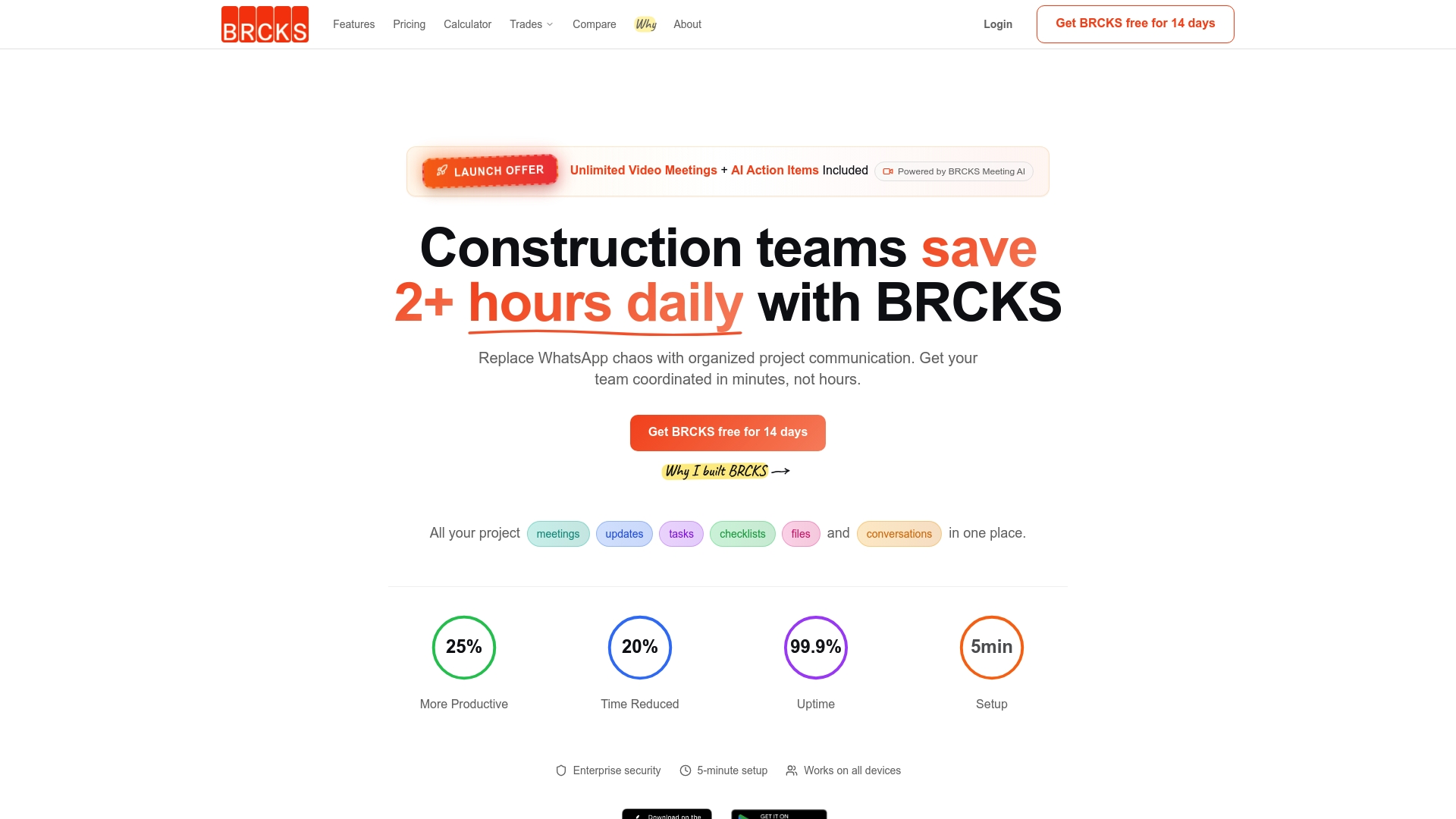
With construction software for builders that saves teams over two hours daily through automation, BRCKS reduces the manual effort that slows coordination down. The platform’s construction communication software keeps every update traceable, every decision documented, and every stakeholder informed. Setup is quick, subcontractor access is free, and a 14-day free trial means you can see the difference on a live project before committing.
Frequently asked questions
What are the core basics of project coordination under UK construction regulations?
Core mechanics include structured planning, scheduling, risk management, and ongoing communication as required by CDM 2015, which mandates coordination at every project stage from pre-construction through to handover.
How can communication errors on site be prevented?
Establish clear workflows, frequent updates, and use digital tools that enable traceable communication. Effective information sharing cuts construction errors by up to 70% across UK projects.
Which digital tools best support UK construction coordination?
Tools offering real-time updates, mobile compatibility, and integration with compliance processes support the strongest coordination outcomes. Job costing and digital monitoring are recognised coordination best practices under CDM 2015.
Why do some coordination strategies fail even with the latest tech?
Coordination often fails when team relationships and trust are weak, regardless of the technology employed. Poor site relationships compound tool failures and reduce adoption across the team.
Recommended
- BRCKS | Construction Project Communication Software
- BRCKS | Construction Project Communication Software
- BRCKS | Construction Project Communication Software
- BRCKS | Construction Project Communication Software
- Painting safety tips 2026: best practices for compliance
How BRCKS Can Help
As the UK construction landscape evolves towards 2026, mastering project coordination is no longer just about efficiency, but about maintaining a competitive edge in an increasingly digital industry. BRCKS simplifies this transition by centralising communication and streamlining workflows, ensuring that every stakeholder remains aligned from pre-construction through to completion. By integrating these best practices into a single, intuitive platform, we help your team reduce costly errors and deliver projects with greater precision. We invite you to discover how BRCKS can transform your project management approach by exploring our features today. Learn more at BRCKS and explore our full feature set.