Streamline your construction communication workflow
Discover how implementing a structured construction communication workflow can eliminate the 30% waste in your workday and prevent costly subcontractor disputes.
By James Shorter ·
Streamline your construction communication workflow
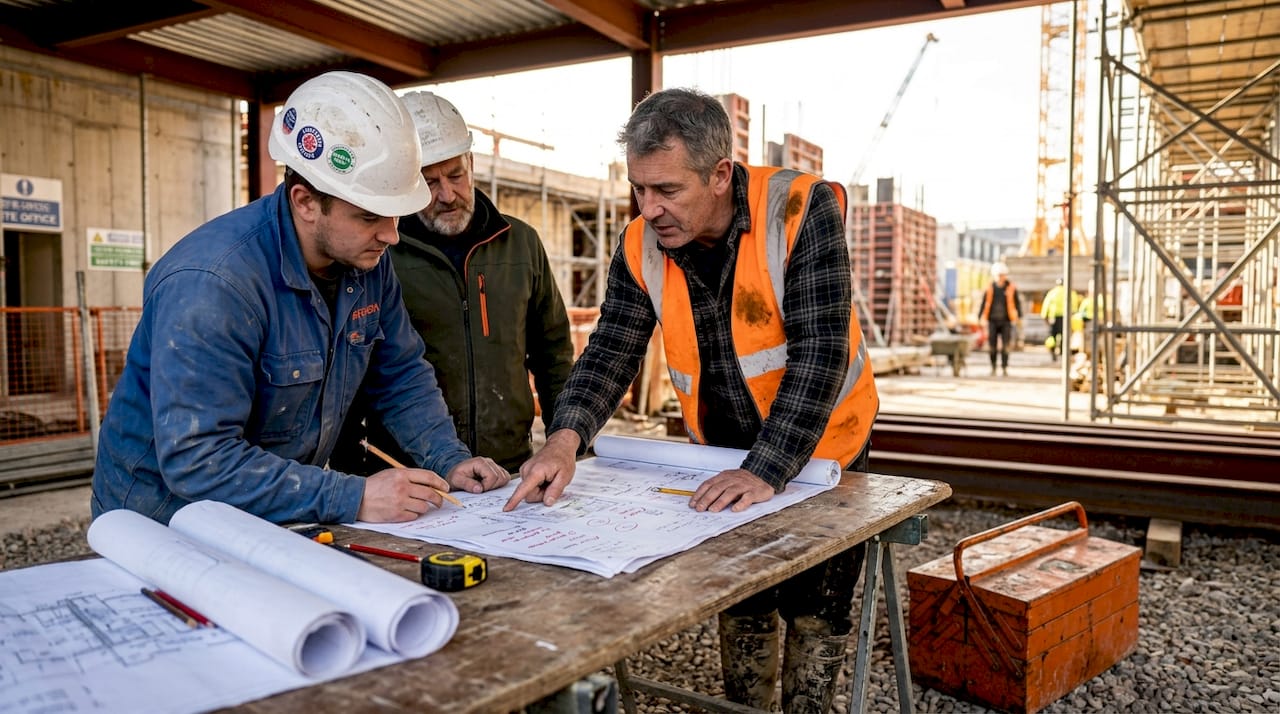
Project delays, budget overruns, and costly disputes often trace back to one persistent problem: poor communication. In UK construction, miscommunication causes 80% of subcontractor disputes and contributes to 20% of workplace accidents. Teams waste nearly 30% of their workday searching for information across fragmented systems. For project managers juggling multiple trades, clients, and tight deadlines, this chaos creates unnecessary stress and threatens project success. Implementing structured communication workflows transforms this landscape, delivering transparency, efficiency, and control. This guide shows you exactly how to build and maintain effective communication systems that reduce rework, prevent disputes, and keep your projects running smoothly.
Table of Contents
- Key takeaways
- Understanding the communication problem in construction
- Preparing your site: tools and standards for effective workflow
- Executing the communication workflow on site
- Verifying and improving your communication outcomes
- Discover construction communication software tailored to your trade
- How to streamline construction communication workflow: FAQs
Key Takeaways
| Point | Details |
|---|---|
| Miscommunication costs | Poor communication drives eighty per cent of subcontractor disputes and contributes to workplace accidents. |
| Structured workflows | Implementing clear, structured information processes reduces rework and keeps projects on track. |
| ISO 19650 standardises workflows | ISO 19650 standardises workflows to guide information management and collaboration. |
| CDEs boost clarity | Common Data Environments centralise information so teams access the same current data. |
Understanding the communication problem in construction
Construction projects involve dozens of moving parts: architects, engineers, subcontractors, suppliers, and clients all need timely, accurate information. When communication breaks down, the consequences cascade through every aspect of your project. Research shows that poor communication causes 80% of disputes with subcontractors and contributes significantly to workplace accidents. Your teams lose nearly a third of their productive time simply hunting for information scattered across emails, texts, phone calls, and paper documents.
The root causes are systemic. Fragmented data storage means critical drawings, specifications, and updates exist in multiple versions across different platforms. Language barriers compound the problem when working with diverse trade teams. Many workers resist adopting new digital tools, preferring familiar but inefficient methods. Time pressure on site leaves little room for proper documentation or communication protocols. These factors create a perfect storm of miscommunication that increases delays, inflates costs, and elevates risk.
Consider the typical scenario: a design change occurs, but the message reaches the electrician three days late because it was buried in an email thread. The work proceeds using outdated specifications, resulting in expensive rework and schedule delays. This pattern repeats across projects, eroding profit margins and damaging relationships. Effective communication reduces disputes in construction by ensuring everyone works from the same information at the same time.
The financial impact is substantial. Projects experiencing communication failures typically see cost overruns of 15-20% and schedule delays of similar magnitude. Beyond direct costs, poor communication damages your reputation with clients and makes it harder to retain skilled trades. Understanding these challenges is the essential first step towards implementing solutions that actually work. The good news is that structured workflows, supported by appropriate tools and standards, can systematically address each of these problems.
“The difference between chaotic and controlled projects isn’t the complexity of the work, it’s the clarity of the communication.”
Preparing your site: tools and standards for effective workflow
Building effective communication workflows starts with the right foundation of tools and standards. The UK construction industry increasingly relies on ISO 19650 workflows using BPMN for information management. These standards provide structured frameworks covering Exchange Information Requirements (EIR), Asset Information Requirements (AIR), Project Information Requirements (PIR), Master Information Delivery Plans (MIDP), Task Information Delivery Plans (TIDP), and Common Data Environments (CDE). Understanding and implementing these workflows enhances collaboration and reduces errors across your project lifecycle.
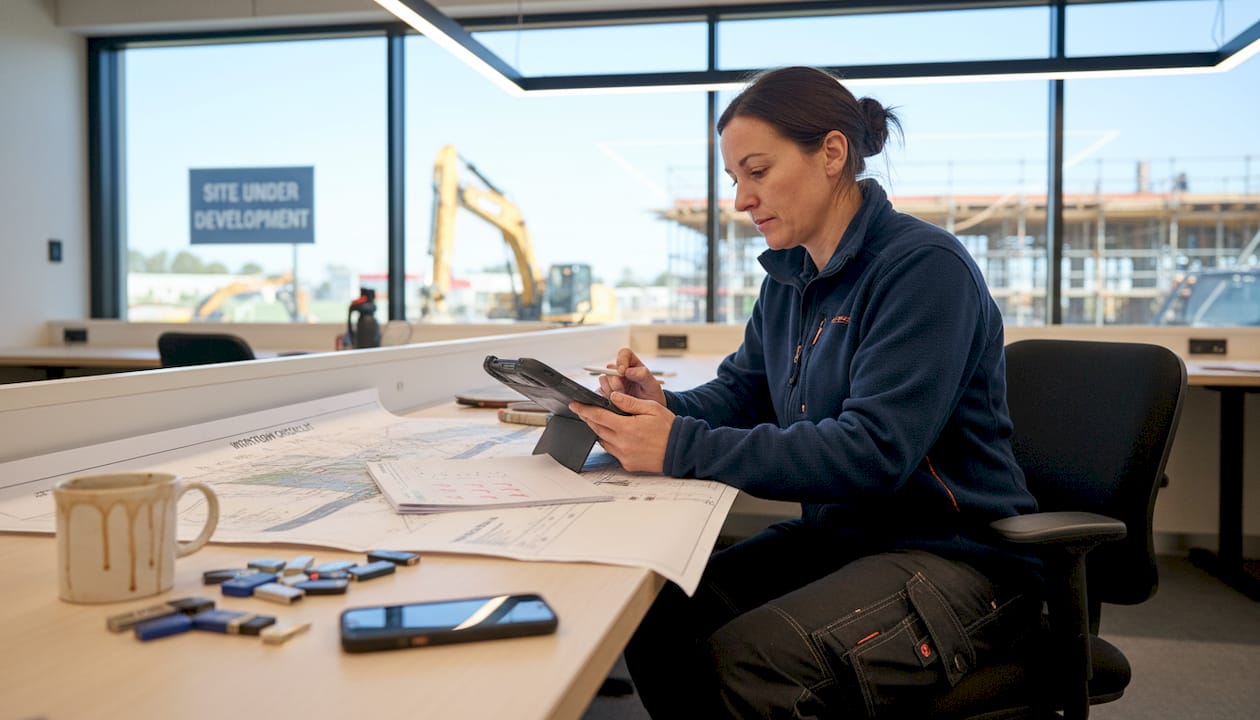
Digital tools form the practical backbone of modern construction communication. BIM and cloud platforms mandated by UK policy through the Construction 2025 Strategy have become essential, with 63% of clients now using project monitoring tools. These platforms centralise information, provide version control, and enable real-time updates accessible to all stakeholders. The key is selecting tools that integrate seamlessly with your existing processes rather than forcing wholesale changes that meet resistance.
| Tool category | Purpose | Key features |
|---|---|---|
| Common Data Environment | Central information repository | Version control, access permissions, audit trails |
| Mobile communication apps | Onsite updates and coordination | Offline mode, photo documentation, instant messaging |
| BIM software | 3D modelling and clash detection | Collaborative design, change tracking, visualisation |
| Project management platforms | Task tracking and scheduling | Gantt charts, resource allocation, progress monitoring |
| Document management systems | Specifications and drawings | Search functionality, approval workflows, distribution lists |
Your construction workflow management guide should align with trade adoption needs, not just software capabilities. This means prioritising simplicity, mobile accessibility, and practical benefits that resonate with workers on site. The most sophisticated system fails if your electricians and plumbers won’t use it. Focus on platforms that integrate with familiar tools like WhatsApp while providing the structure and traceability required for professional project management.
Pro Tip: Start with a pilot project to test your chosen tools and workflows before rolling them out across your entire operation. This approach identifies practical issues and builds confidence among your teams.
Implementing ISO 19650 standards doesn’t require complex technical expertise. Begin by mapping your current information flows, identifying bottlenecks and gaps. Define clear roles and responsibilities for information creation, approval, and distribution. Establish naming conventions and folder structures that everyone understands. These foundational steps, combined with appropriate digital tools, create the infrastructure needed for improved construction communication that actually delivers results.
Executing the communication workflow on site
Putting structured workflows into practice requires careful attention to the realities of construction sites. Mobile-first tools prove essential because your teams need access to information wherever they work, whether that’s scaffolding, excavations, or client premises. The most effective platforms provide offline functionality, ensuring workers can view drawings, update progress, and document issues even without internet connectivity. This capability addresses one of the biggest barriers to digital adoption on UK construction sites.
Follow these steps to implement your communication workflow effectively:
-
Establish clear communication channels for different purposes. Use dedicated channels for safety alerts, design changes, daily coordination, and client updates. This separation prevents important messages from being buried in general chatter.
-
Conduct hands-on training sessions that demonstrate practical benefits rather than technical features. Show electricians how they can photograph completed work and instantly share it with inspectors. Demonstrate to site managers how they can track multiple trades’ progress in real time.
-
Ensure offline access to critical information. Workers should be able to download the latest drawings, specifications, and safety documents before heading to areas with poor connectivity.
-
Create standardised templates for common communications like daily reports, safety observations, and change requests. Templates save time and ensure consistent information capture.
-
Implement a simple approval workflow for changes and variations. Everyone should know exactly who authorises what and how quickly decisions get made.
-
Schedule regular sync points where digital updates get reviewed collectively. Brief morning meetings ensure everyone starts the day with current information.
Addressing language barriers and time pressure requires targeted solutions. Visual communication through photos, videos, and annotated drawings transcends language differences. Voice messages allow workers to communicate in their preferred language while maintaining a record. Simplified interfaces with icons and minimal text reduce cognitive load for time-pressed teams. These adaptations make structured communication accessible to diverse workforces.
Pro Tip: Designate communication champions within each trade team. These individuals receive extra training and support their colleagues with tool adoption, creating peer-to-peer learning that’s more effective than top-down mandates.
Monitor adoption rates and gather feedback continuously. If certain features aren’t being used, find out why. Often, minor adjustments to workflows or interfaces dramatically improve engagement. The goal is making communication easier, not adding administrative burden. When workers see tools saving them time and preventing problems, adoption becomes self-sustaining. Construction communication problems get fixed through practical, user-focused implementation rather than imposed systems. Regular construction site monitoring ensures your workflows remain effective as projects evolve.
Verifying and improving your communication outcomes
Measuring communication effectiveness transforms abstract workflows into concrete business results. Track key performance indicators that directly reflect communication quality: number of disputes, rework percentages, time spent on information search, and client satisfaction scores. These metrics provide objective evidence of improvement and justify continued investment in communication infrastructure. Effective communication protocols lead to 80% better project outcomes, with research showing 12-18% productivity improvements and 25-35% reductions in admin time when proper software supports your workflows.
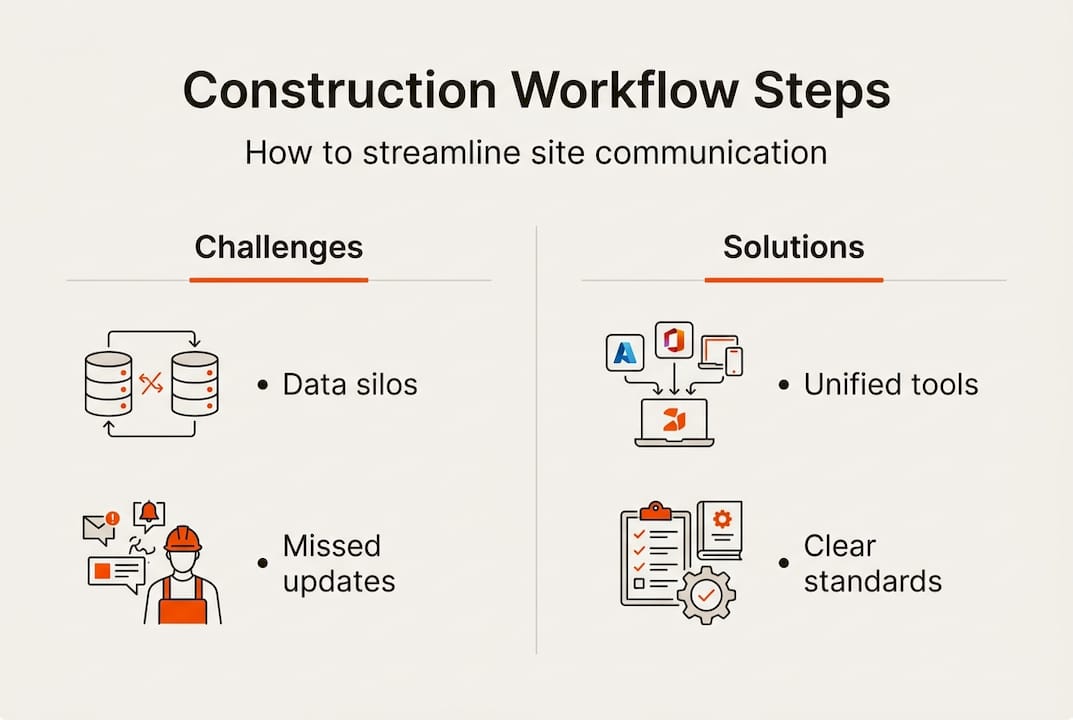
| Aspect | Traditional approach | Effective workflow |
|---|---|---|
| Information access | 30% of workday spent searching | Centralised system with instant search |
| Dispute frequency | 80% caused by miscom |
The evidence is compelling. Information sharing cuts construction errors by 70% in UK projects. Your construction communication workflow cuts rework by 52% when implemented consistently. These aren’t marginal gains, they represent fundamental improvements in how projects function. The financial benefits extend beyond direct cost savings to include faster project delivery, enhanced reputation, and stronger client relationships.
Implement these strategies for ongoing improvement:
- Conduct monthly reviews of communication metrics with your project team. Identify patterns in delays, disputes, or information gaps.
- Gather structured feedback from trades and subcontractors about communication effectiveness. They experience the workflows daily and spot improvement opportunities.
- Benchmark your performance against industry standards and previous projects. Track improvement trends over time.
- Update workflows based on lessons learned. Document what works and what doesn’t, then refine your approach.
- Celebrate successes when communication improvements deliver tangible results. Recognition reinforces good practices.
- Invest in continuous training as new team members join and tools evolve. Communication effectiveness requires ongoing attention.
The most successful project managers treat communication as a core competency requiring the same rigour as cost control or quality management. They recognise that information flow directly impacts every other aspect of project performance. By systematically measuring, analysing, and improving communication workflows, you create a competitive advantage that compounds across projects. Clients notice the difference in transparency and responsiveness. Trades prefer working on well-organised projects. Your reputation grows as someone who delivers projects smoothly and professionally.
Discover construction communication software tailored to your trade
Implementing the workflows described in this guide becomes significantly easier with purpose-built software designed for construction realities. BRCKS offers specialised platforms for builders and electricians that align with ISO 19650 standards while prioritising mobile-first accessibility. The platform consolidates project updates, checklists, file sharing, team chat, and client portals into a single system, eliminating the fragmentation that causes communication breakdowns.

What sets construction-specific software apart is its understanding of trade workflows. Features like WhatsApp integration, offline mode, and AI-powered search address the practical challenges your teams face daily. Automation reduces manual documentation time by over two hours per day, directly tackling the admin burden that drags down productivity. Free subcontractor access ensures everyone stays connected regardless of company size. The construction project communication software benefits extend across your entire operation, from reduced disputes and rework to enhanced client satisfaction and team coordination. When your communication infrastructure works seamlessly, you spend less time firefighting problems and more time delivering excellent projects.
How to streamline construction communication workflow: FAQs
What is ISO 19650 and why is it important in construction communication?
ISO 19650 is an international standard that structures information management throughout construction projects. It provides frameworks for consistent, efficient communication between all project stakeholders, defining clear workflows for information exchange, approval, and storage. Implementing ISO 19650 reduces errors, improves collaboration, and ensures everyone works from accurate, current information. The standard has become increasingly important in UK construction as clients and regulators expect systematic information management.
How can mobile-first tools overcome language barriers and site challenges?
Mobile-first construction tools prioritise visual communication through photos, videos, and annotated drawings that transcend language differences. Offline modes ensure workers can access critical information and document progress even in areas with poor connectivity, which is common on UK construction sites. Simple, icon-based interfaces reduce reliance on text, making tools accessible to diverse workforces. Voice messaging allows communication in preferred languages while maintaining records. These features directly address the practical barriers that prevent effective communication in time-pressured, multilingual site environments.
What steps should I take to monitor and improve communication workflows?
Start by tracking quantifiable metrics like dispute frequency, rework percentages, time spent searching for information, and client satisfaction scores. Hold monthly review meetings with your project team to analyse these metrics and identify patterns. Gather structured feedback from trades and subcontractors about what’s working and what needs improvement. Benchmark your performance against industry standards and your own previous projects to measure progress. Document lessons learned and update your workflows accordingly, creating a continuous improvement cycle that compounds benefits over time.
How do I encourage my trades to adopt new communication workflows?
Focus on demonstrating practical benefits rather than technical features during training sessions. Show electricians, plumbers, and other trades exactly how tools save them time, prevent rework, and make their jobs easier. Designate communication champions within each trade team who receive extra support and help their colleagues adopt new workflows through peer learning. Start with simple features that deliver immediate value, then gradually introduce more sophisticated capabilities. Gather feedback continuously and make adjustments based on user experience. When workers see tools genuinely improving their workday, adoption becomes self-sustaining rather than mandated compliance.
Recommended
- BRCKS | Construction Project Communication Software
- BRCKS | Construction Project Communication Software
- Construction Software for Builders | BRCKS
- BRCKS | Construction Project Communication Software
- 8 Key Steps for a Texas Residential Construction Checklist - Texas Licenced Engineers
How BRCKS Can Help
Effective communication is the cornerstone of any successful build, yet managing the constant flow of information remains a significant challenge for many project teams. By centralising your documentation and messaging within BRCKS, you can eliminate silos and ensure every stakeholder remains aligned from inception to completion. Our platform is designed to simplify these complex workflows, allowing you to focus on delivery rather than administrative friction. We invite you to explore how BRCKS can transform your operational efficiency and help your team build with greater clarity. Learn more at BRCKS.
Sources
- BRCKS - Construction Management Software
- ISO 19650 - Information management using building information modelling
- UK Government Construction 2025 Strategy
- The Chartered Institute of Building (CIOB) - Communication in Construction
- Health and Safety Executive (HSE) - Construction Statistics in Great Britain