Why reduce communication errors in construction projects
Poor communication is the single biggest threat to UK construction success. Learn how to minimise errors and boost efficiency on site using digital tools.
By James Shorter ·
Why reduce communication errors in construction projects
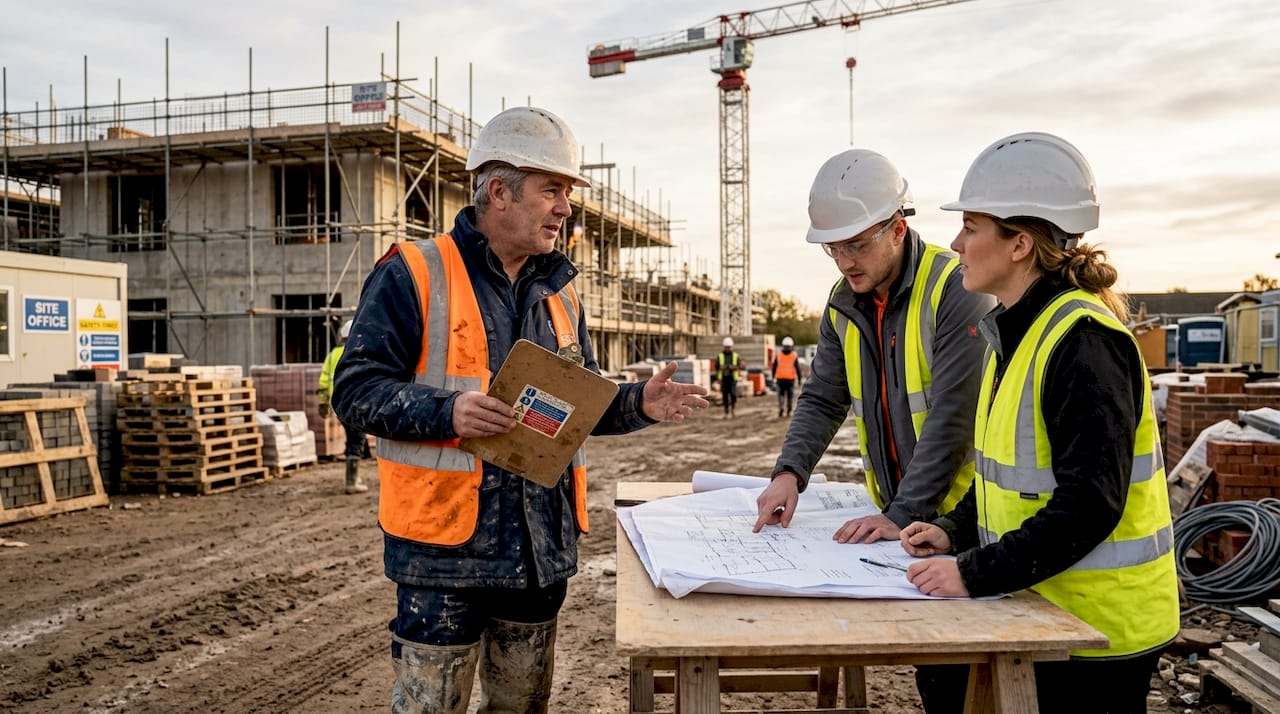
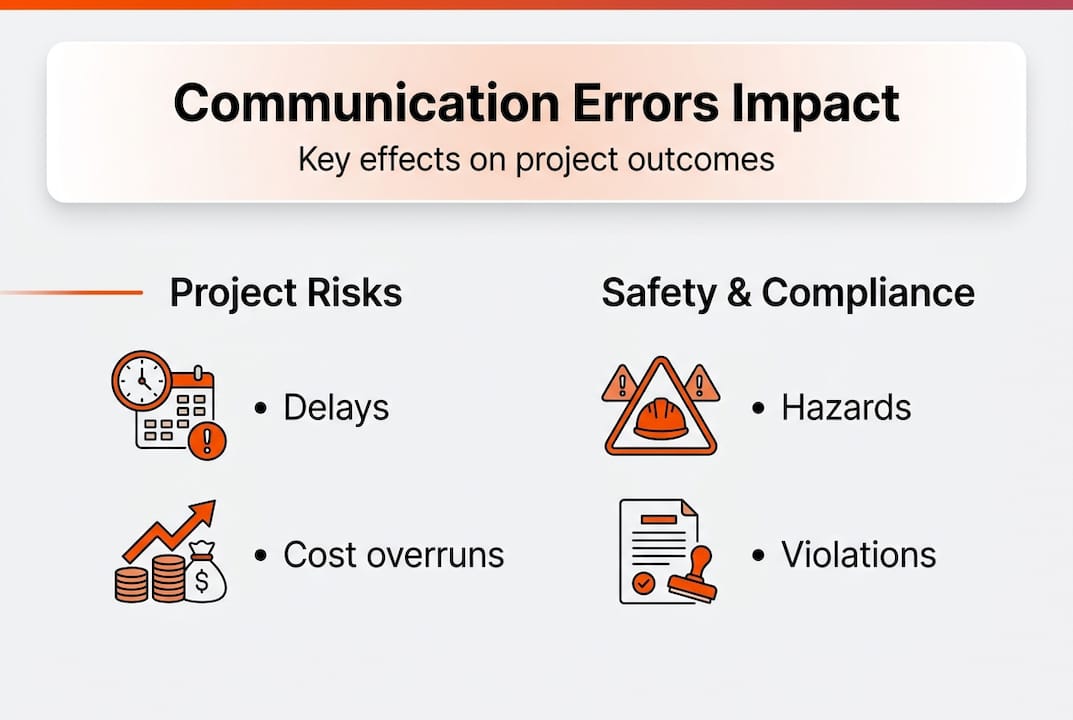
Poor communication remains the single biggest threat to UK construction project success. 72% of UK construction delays stem from poor communication, leading to significant productivity losses across the industry. These errors cascade into cost overruns, safety incidents, and damaged client relationships. Understanding why reducing communication errors matters and how digital tools can help transforms project outcomes. This article explores proven strategies to minimise communication breakdowns and boost efficiency on UK construction sites.
Table of Contents
- Key takeaways
- How communication errors cause delays and cost overruns
- Regulatory and safety risks linked to communication failures
- How digital tools can bridge communication gaps effectively
- Practical strategies to reduce communication errors on UK construction sites
- Explore construction software to reduce communication errors
- Frequently asked questions
Key Takeaways
| Point | Details |
|---|---|
| Poor communication drives delays | Poor communication is the leading cause of UK construction delays and cost overruns, creating knock on effects for budgets and schedules. |
| Digital tools close gaps | BIM and AI offer substantial potential to close information gaps and improve on site coordination. |
| Audits and clear protocols | Early communication audits and mapping information flows help identify and mitigate risk points before problems arise. |
| Regulatory safety risks | Communication failures heighten safety and regulatory risks, including temporary works incidents and possible prosecutions under standards such as BS 5975. |
How communication errors cause delays and cost overruns
Communication breakdowns create a domino effect that ripples through every phase of construction. When instructions get misunderstood or information fails to reach the right people at the right time, teams make mistakes that require costly rework. Poor communication causes cost and time overruns in construction projects, confirmed by empirical studies across multiple sites.
The financial impact hits hard. A communication mix-up at a cement plant caused a months-long delay and £1.9M overrun, demonstrating how a single miscommunication can devastate project budgets. When teams work from outdated drawings, miss specification changes, or receive conflicting instructions, they waste time and materials fixing preventable errors.
Common communication failures that trigger delays include:
- Verbal instructions that get forgotten or misremembered
- Email chains where critical updates get buried
- Drawings and specifications that don’t reach subcontractors
- Site changes communicated too late for teams to adjust
- Coordination gaps between trades working in the same area
These issues compound quickly. A plumber installs pipes based on old drawings whilst the electrician works from updated plans, creating conflicts that halt work. Delays mean extended labour costs, equipment rental fees, and potential liquidated damages. The hidden costs of poor communication extend beyond immediate rework to include damaged reputations and lost future opportunities.
“Communication failures don’t just delay projects. They erode trust between teams, clients, and stakeholders, making future collaboration more difficult.”
Pro tip: Conduct communication audits at project start to identify potential risk points. Map information flows between all parties and establish clear protocols before problems emerge. This proactive approach prevents issues rather than reacting to them.
Regulatory and safety risks linked to communication failures
Beyond financial impacts, communication errors create serious safety hazards and regulatory compliance issues. UK construction operates under strict standards that demand clear coordination, particularly for temporary works. Communication breakdowns contribute to temporary works failures on UK sites, involving coordination issues per BS 5975.
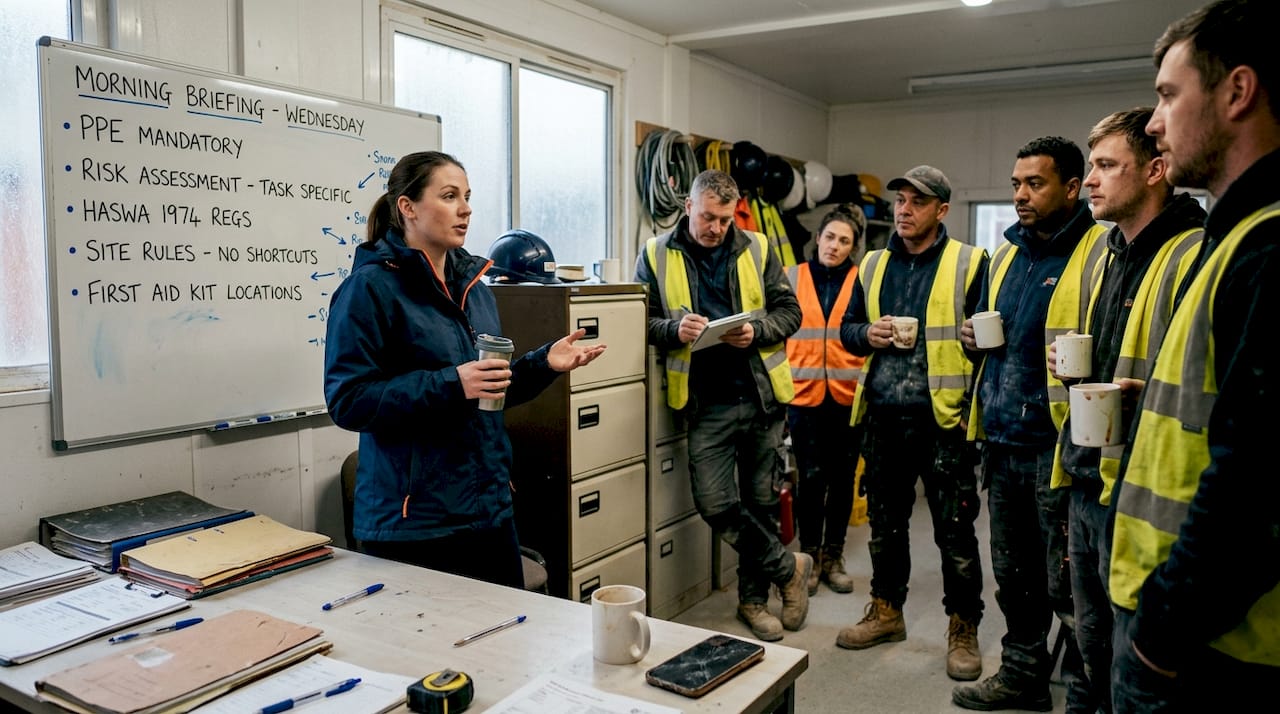
BS 5975 establishes the framework for temporary works coordination, requiring designated coordinators, clear approval processes, and documented communication between all parties. When these communication requirements break down, scaffolding collapses, formwork fails, and workers face life-threatening situations. The standard exists precisely because communication failures have caused fatalities.
Regulatory risks multiply when communication gaps prevent proper documentation. Health and Safety Executive investigations after incidents often reveal that critical safety information never reached site workers. Designers failed to communicate load limitations, supervisors didn’t verify understanding, or changes weren’t documented properly. These failures expose companies to prosecution, fines, and potential imprisonment for directors.
Follow these steps to improve compliance through better communication:
- Designate a temporary works coordinator with clear authority and accountability
- Implement written approval processes that require confirmation of receipt and understanding
- Hold daily briefings where safety-critical information gets communicated face to face
- Use digital tools to track who has received and acknowledged safety instructions
- Create feedback loops where workers can report communication gaps without fear
- Document all safety-related communications with timestamps and recipients
The legal implications extend beyond immediate incidents. Poor communication that leads to defects can trigger liability claims years after project completion. When you cannot prove that specifications were properly communicated and understood, defending against claims becomes nearly impossible. Proper communication protects both workers and your business.
“Regulatory compliance isn’t just about following rules. It’s about ensuring everyone understands their responsibilities and the information they need to work safely.”
Establishing robust communication systems that meet regulatory standards requires investment, but the cost of failure far exceeds prevention. Companies that fix construction communication problems systematically reduce incidents whilst improving overall project performance.
How digital tools can bridge communication gaps effectively
Modern digital technologies offer powerful solutions to traditional communication challenges. Building Information Modelling (BIM), artificial intelligence, and digital twin technologies transform how construction teams share information and collaborate. These tools don’t just digitise existing processes but fundamentally change how information flows through projects.
The UK construction productivity gap is 21% below average due to fragmented communication, but digital tools can close these gaps. BIM creates a single source of truth where all parties access current information, eliminating version control issues. When designers update models, contractors see changes immediately rather than working from outdated drawings.
| Communication approach | Information flow | Error rate | Transparency |
|---|---|---|---|
| Traditional (paper, email, calls) | Fragmented, delayed | High | Limited |
| Digital integrated platforms | Centralised, real-time | Low | Complete |
Artificial intelligence adds another layer of capability. AI-powered search helps teams find relevant information instantly from vast project documentation. Instead of scrolling through hundreds of emails or file folders, you ask questions in natural language and get precise answers. This speed reduces delays caused by information hunting.
Digital tools deliver these concrete benefits:
- Real-time updates ensure everyone works from current information
- Automated notifications alert relevant parties to changes immediately
- Visual communication through models reduces misunderstandings
- Audit trails track who saw what information and when
- Mobile access puts project data in workers’ hands on site
- Integration eliminates manual data transfer between systems
Client expectations drive adoption too. 68% of UK clients cite communication and transparency as key contractor improvement areas to enhance efficiency. Clients want visibility into project progress, not vague updates. Digital platforms provide client portals where they see real-time status, photos, and documents without bombarding project teams with requests.
The transformation extends beyond individual projects. Digital tools capture lessons learned and best practices that improve future work. When you can analyse communication patterns that led to problems, you prevent repeating mistakes. This continuous improvement cycle compounds over time, making each project smoother than the last.
Pro tip: Choose integrated platforms built specifically for construction rather than adapting generic business tools. Construction-specific features like RFI management, submittal tracking, and site diary integration deliver far more value than trying to force standard project management software to fit construction workflows.
Companies that embrace digital communication tools report fewer disputes, faster completion, and higher client satisfaction. Effective communication reduces disputes in construction by creating clear records and shared understanding. The investment in technology pays for itself through reduced rework, faster decision-making, and improved team productivity. When you improve construction communication systematically, every aspect of project delivery benefits.
Practical strategies to reduce communication errors on UK construction sites
Technology alone won’t solve communication problems without proper processes and culture. You need practical strategies that teams can implement immediately to reduce errors and improve information flow. These approaches work alongside digital tools to create comprehensive communication systems.
Start by standardising communication protocols across all projects. Define how different types of information get shared, who needs to receive what, and required response times. When everyone follows the same playbook, information flows predictably rather than chaotically. Communication errors cause 72% of UK construction delays, highlighting the need for workflow adjustments that prevent these failures.
Implement these workflow improvements systematically:
- Establish clear communication roles with designated points of contact for each trade and work package
- Schedule regular coordination meetings at consistent times rather than ad hoc gatherings
- Require written confirmation of all verbal instructions within 24 hours to prevent misunderstandings
- Create standardised templates for common communications like RFIs, submittals, and change notices
- Set response time expectations for different communication types and track compliance
- Build feedback loops where recipients confirm understanding, not just receipt of information
Cultural improvements matter as much as process changes. The best protocols fail when people fear speaking up about confusion or admitting mistakes. Foster an environment where asking questions demonstrates professionalism rather than incompetence. Encourage these cultural shifts:
- Reward team members who identify communication gaps before they cause problems
- Reduce hierarchical barriers that prevent site workers from questioning unclear instructions
- Celebrate transparency and honesty about mistakes rather than hiding problems
- Recognise that clarity takes time and don’t rush communications for speed
- Value listening as much as speaking in all team interactions
Documentation practices deserve special attention. Proper records prevent disputes and provide reference points when questions arise. Photograph site conditions before starting work, document verbal agreements in writing, and maintain daily logs of who was told what. This discipline creates accountability whilst protecting all parties.
Pro tip: Invest in communication training specifically designed for construction contexts. Generic business communication courses miss the unique challenges of coordinating multiple trades, managing subcontractors, and communicating technical information. Construction-focused training addresses real scenarios your teams face daily.
Monitor communication effectiveness through metrics. Track how many RFIs result from unclear information, measure response times to queries, and survey teams about communication quality. When you measure performance, you can identify problems early and adjust approaches. Companies that implement communication workflows cut rework by 52% through systematic improvements.
The strategies that work best combine multiple approaches rather than relying on single solutions. Standardised protocols provide structure, digital tools enable speed and transparency, cultural changes encourage openness, and training builds skills. Together, these elements create communication systems that prevent the failures responsible for most project problems. Understanding why construction projects fail due to communication crises helps you avoid repeating common mistakes.
Explore construction software to reduce communication errors
Transforming communication on your projects requires tools built specifically for construction teams. BRCKS offers tailored construction software for builders and electricians that eliminates the WhatsApp chaos plaguing most sites. Instead of scattered messages, lost photos, and unclear task status, you get a single platform where all project communication lives.

The platform brings together everything you need for clear communication: real-time project updates, task tracking with accountability, file sharing that keeps everyone on the same page, and client portals that provide transparency without constant calls. Teams save over two hours daily by consolidating communication into one place rather than switching between multiple apps and tools.
Key benefits that directly reduce communication errors include:
- Centralised information that eliminates version control issues
- Automated notifications ensuring critical updates reach the right people
- Visual progress tracking that shows exactly what’s happening
- Audit trails that document who knew what and when
- Mobile access putting project data in workers’ hands on site
Discover why BRCKS construction project communication software helps UK construction teams deliver projects faster with fewer mistakes. The platform scales from small teams to large operations whilst maintaining the simplicity that gets everyone actually using it. When communication becomes effortless, projects run smoother and clients stay happier.
Frequently asked questions
How much do communication errors typically add to construction project costs?
Communication errors can add millions in overruns, with documented cases like the cement plant project experiencing a £1.9M cost increase. Early detection and clear communication protocols reduce these costs significantly by preventing rework and delays before they compound.
What UK regulations relate to communication and coordination on construction sites?
BS 5975 governs temporary works coordination, requiring effective communication between designers, coordinators, and site teams. Compliance with these communication standards reduces safety risks and legal liability whilst ensuring proper documentation of critical information.
What are the best ways to improve communication on construction projects?
Adopt digital tools like BIM and construction-specific communication software to centralise information flow. Standardise communication protocols across all projects and encourage an open culture where team members feel comfortable asking questions. Regularly review workflows to identify and fix communication gaps before they cause problems.
Can digital tools completely eliminate communication errors in construction?
Digital tools dramatically reduce communication errors but require proper implementation and team adoption to maximise effectiveness. Technology works best when combined with standardised processes, clear protocols, and a culture that values transparent communication. The goal is minimising errors rather than expecting perfection.
How quickly can teams see improvements after implementing better communication strategies?
Most teams notice immediate improvements in information flow and reduced confusion within the first few weeks of implementing new communication protocols. Measurable impacts on rework reduction and project efficiency typically become evident within one to two project cycles as teams adapt to new systems and refine their approaches.
Recommended
- BRCKS | Construction Project Communication Software
- BRCKS | Construction Project Communication Software
- BRCKS | Construction Project Communication Software
- BRCKS | Construction Project Communication Software
How BRCKS Can Help
Minimising communication errors is not just about avoiding mistakes; it is about building a foundation of trust and efficiency that ensures every project reaches its full potential. BRCKS provides a centralised platform that streamlines the flow of information, ensuring that every stakeholder remains aligned from the initial ground-breaking to the final handover. By integrating these tools into your daily workflow, you can eliminate costly misunderstandings and focus on delivering high-quality results. We invite you to discover how BRCKS can transform your project management by exploring our features today. Learn more at BRCKS.