Project management tips for plumbers: UK residential guide
A comprehensive guide for UK plumbing contractors on managing residential projects, navigating compliance, and optimising labour efficiency.
By James Shorter ·
Project management tips for plumbers: UK residential guide
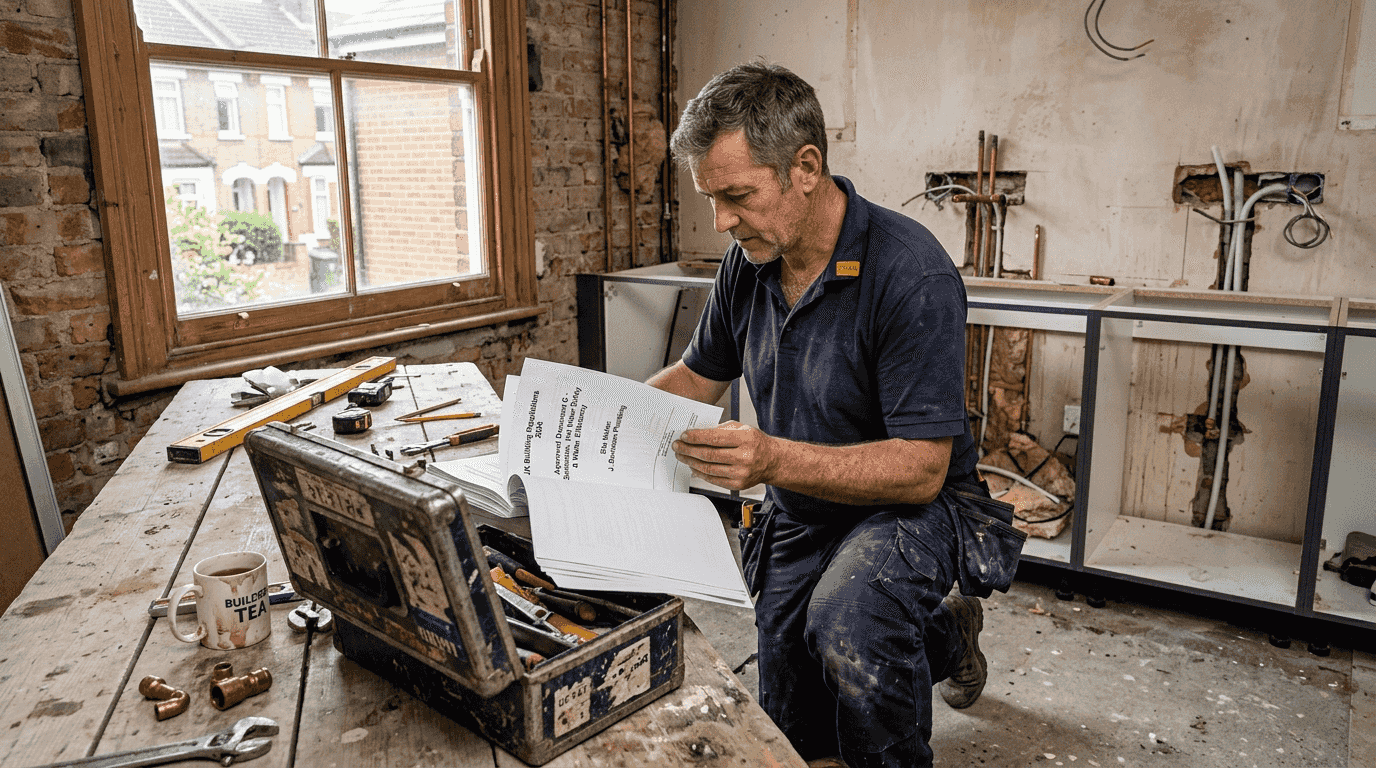
Managing residential plumbing projects in the UK demands more than technical expertise. Plumbers constantly juggle fragmented communication across WhatsApp groups, emails, and multiple apps whilst navigating complex compliance requirements like Building Control approvals and the Party Wall Act. These challenges lead to costly delays, budget overruns, and frustrated clients. This guide delivers practical, plumbing-specific project management strategies aligned with UK regulations to enhance efficiency, reduce miscommunication, and improve your bottom line.
Table of Contents
- How To Choose The Right Project Management Approach For Plumbing Projects
- Understanding Regulatory Compliance In UK Residential Plumbing
- Optimising Labour And Cost Efficiency For Plumbing Projects
- Leveraging Construction Project Management Software
- Avoiding Common Plumbing Project Management Pitfalls
- Summary Comparison Of Project Management Tips For Plumbers
- Situational Recommendations For Plumbing Project Management
- Discover Construction Software Designed For Plumbers
- Frequently Asked Questions
Key takeaways
| Point | Details |
|---|---|
| Evaluate project management criteria | Prioritise UK compliance, communication clarity, labour planning, and software usability tailored to plumbing workflows. |
| Address regulatory requirements early | Planning for permits and Building Control reduces delays and cuts budget overruns by over 30%. |
| Optimise labour and cost control | Detailed scheduling using digital tools prevents the largest controllable cost from spiralling. |
| Leverage integrated software | Centralised platforms reduce errors and significantly increase on-time project completions. |
| Avoid common pitfalls | Poor communication and inadequate compliance checks increase costs by up to 20% through rework. |
How to choose the right project management approach for plumbing projects
Selecting an effective project management method requires understanding criteria that uniquely impact plumbing work in UK residential construction. Unlike general building trades, plumbing technicians need strong project management skills to independently manage installations and compliance. Your approach must address five critical factors.
First, compliance with UK standards dominates plumbing projects. You need systems that track Building Regulations approvals, gas safety certificates, and water authority notifications. Second, communication complexity increases when coordinating with electricians, builders, and homeowners simultaneously. Third, labour costs represent your largest controllable expense, demanding precise scheduling to avoid idle time or overtime penalties.
Fourth, technology adoption varies widely among plumbing teams. Software that overwhelms your technicians with features they won’t use wastes money and time. Finally, project scale matters. A bathroom renovation requires different coordination than a full home replumb involving multiple trades and phased work.
These criteria differ significantly from general construction management. Plumbing work involves stricter regulatory oversight, tighter installation tolerances, and more frequent homeowner interaction. Your project management approach must reflect these realities. Construction project communication insights reveal that fragmented tools create bottlenecks specific to trades requiring sequential coordination.
Evaluating construction software for plumbers against these criteria ensures you select methods that actually improve workflow rather than adding administrative burden. Consider how each option handles compliance documentation, facilitates real-time updates from job sites, and integrates with your existing processes.
Pro Tip: Prioritise ease of use above feature lists. Software your team actually uses daily delivers more value than complex systems that sit abandoned after initial setup, especially for smaller plumbing teams without dedicated project managers.
Understanding regulatory compliance in UK residential plumbing
Regulatory compliance represents the foundation of successful plumbing project management in UK residential construction. Three primary frameworks govern your work: Planning Permission for structural alterations, Building Control for compliance with Part G water regulations and Part H drainage standards, and the Party Wall Act for work affecting shared structures in terraced or semi-detached properties.
Non-compliance creates severe consequences beyond legal liability. Projects halt whilst awaiting retrospective approvals, labour sits idle burning through budgets, and homeowners lose confidence. Worse, you may need to undo completed work to satisfy inspectors, doubling material and labour costs. Upfront planning for Planning Permission, Building Control and the Party Wall Act reduces delays and legal risks significantly, cutting budget overruns by over 30%.
Early documentation proves essential. Before breaking ground, secure necessary approvals and create compliance tracking systems. Maintain detailed records of inspector communications, approval conditions, and certification requirements. Digital checklists ensure you complete notification steps at proper project stages rather than discovering gaps during final inspections.
“Projects with comprehensive compliance planning from inception experience 30% fewer delays and demonstrate significantly lower legal risk exposure compared to reactive approaches that address regulatory requirements only when problems emerge.”
This upfront investment pays dividends throughout project execution. You avoid expensive surprises, maintain client trust, and protect your professional reputation. Construction project money saving guides emphasise that compliance planning delivers among the highest returns on time invested in project preparation.
Implement these compliance management practices:
- Create project-specific compliance checklists covering all applicable regulations
- Schedule Building Control notifications and inspections during project planning
- Document all approvals and maintain accessible records for site inspections
- Build compliance review points into project schedules before critical milestones
- Communicate regulatory requirements clearly to homeowners and other trades
Visit the UK home renovation guide for detailed regulatory timelines and approval processes specific to residential plumbing work.
Optimising labour and cost efficiency for plumbing projects
Labour represents the largest controllable cost in plumbing projects, typically consuming 50 to 60% of total budgets. Poor labour planning cascades into schedule delays, quality issues, and profit erosion. Effective management requires detailed scheduling, realistic time estimates, and dynamic resource allocation.
Start with accurate labour estimates based on project complexity rather than rough rules of thumb. A first-floor bathroom replumb demands different time allowances than ground-floor work due to access challenges. Factor in coordination delays when multiple trades share limited space. Digital scheduling tools provide visibility into labour allocation, revealing conflicts before they cause problems.
Monitor progress daily against planned labour hours. Small variances compound quickly. If you allocated 16 hours for soil stack replacement but actual work requires 20 hours, identify the cause immediately. Was the estimate wrong? Did unforeseen complications arise? Learning from variances improves future estimates and prevents recurring overruns.

Cost control extends beyond labour rates. Material waste from poor planning, return trips for forgotten supplies, and rework from miscommunication all inflate budgets. Centralised communication reduces these inefficiencies by ensuring everyone works from current information. Construction project money saving strategies demonstrate that improved coordination cuts waste by 15 to 25%.
Implement these labour efficiency practices:
- Create detailed work breakdown structures showing task dependencies and durations
- Use digital scheduling to visualise labour allocation and identify conflicts
- Track actual hours against estimates to improve accuracy over time
- Schedule material deliveries to coincide with installation phases
- Maintain buffer time for realistic contingency planning
Construction software for plumbers automates much of this tracking, providing real-time visibility into labour utilisation without manual spreadsheet updates. Mobile access lets site supervisors log hours and update progress instantly, keeping office teams informed.
Pro Tip: Review labour performance weekly rather than waiting until project completion. Early course corrections prevent small inefficiencies from becoming major overruns, and your team learns to adjust dynamically rather than hoping problems resolve themselves.
Leveraging Construction project management software
Integrated project management platforms transform how plumbing teams coordinate work, communicate updates, and track progress. Project management software for plumbing improves real-time monitoring, reduces errors, and significantly increases on-time completion rates compared to manual methods or generic tools not designed for construction workflows.
Centralised communication platforms eliminate the chaos of fragmented conversations across WhatsApp, emails, and phone calls. Every project participant accesses the same information simultaneously. When Building Control requests documentation, you share it once rather than forwarding multiple messages. Task updates notify relevant team members automatically rather than requiring manual status reports.
Task checklist automation ensures nothing falls through gaps. Systems generate reminders for compliance notifications, inspection scheduling, and material orders at appropriate project stages. AI-generated action items from site meetings capture decisions and assign responsibilities without manual note-taking and distribution. This automation reduces human error whilst freeing time for productive work.
Mobile app accessibility proves critical for plumbing work. Technicians update task status, upload photos of completed installations, and flag issues directly from job sites. Office teams see progress in real-time rather than waiting for end-of-day reports. This immediate visibility enables faster problem resolution and more accurate client updates.
| Communication Method | Setup Complexity | Real-Time Updates | Compliance Tracking | Cost Efficiency |
|---|---|---|---|---|
| Manual (WhatsApp/Email) | Low | Poor | Manual/Prone to Gaps | High (due to errors) |
| Generic PM Software | Medium | Moderate | Limited Construction Focus | Medium |
| Plumbing-Specific Platform | Low | Excellent | Automated Checklists | High (prevents overruns) |
Recommended software features for UK plumbers include:
- Unified communication replacing multiple apps and reducing message fragmentation
- Automated task checklists with compliance reminders for regulatory requirements
- Mobile applications for iOS and Android enabling on-site updates
- File storage centralising drawings, permits, and certificates
- Video meeting capabilities with AI action item generation
Explore construction software for plumbers designed specifically for residential trade workflows. These platforms understand plumbing project requirements rather than forcing you to adapt generic construction tools. Construction communication workflow improvements demonstrate that purpose-built solutions deliver measurably better outcomes.
Adopting project communication strategies built around unified platforms positions your business for growth whilst reducing daily frustrations. Review plumbing project management software benefits to understand how technology investment translates into competitive advantage.
Avoiding common plumbing project management pitfalls
Frequent mistakes undermine otherwise well-planned plumbing projects, creating delays and budget overruns that damage profitability and client relationships. Mistakes such as underestimating compliance, poor communication, and labour planning lead to rework and delays increasing costs by up to 20%. Understanding these pitfalls helps you implement preventive measures.
Underestimating compliance requirements ranks among the costliest errors. Plumbers sometimes begin work before securing necessary approvals, assuming Building Control notifications can happen retrospectively. This gamble backfires when inspectors require access to covered work, forcing expensive remediation. Always complete compliance planning before project commencement.
Poor communication creates cascading problems. When electricians don’t know you’ve relocated soil stacks, they run cables through spaces you need for pipework. When homeowners aren’t updated about schedule changes, they arrange final inspections prematurely. Fragmented communication across multiple platforms ensures critical information gets lost. Centralised systems prevent these coordination failures.
Inadequate labour planning manifests in several ways. Overly optimistic schedules ignore realistic task durations and coordination delays. Insufficient contingency time means any complication derails the entire timeline. Poor resource allocation leaves expensive technicians waiting for materials or other trades to complete prerequisite work.
Preventive solutions include:
- Thorough compliance checks during project planning, not during execution
- Unified communication platforms ensuring all stakeholders access current information
- Realistic labour estimates incorporating contingency time for inevitable complications
- Automated reminders for critical milestones like inspection scheduling
- Regular progress reviews enabling early problem detection and correction
These mistakes impact more than immediate project finances. Delays frustrate homeowners, damaging your reputation and reducing referral likelihood. Quality issues from rushed work to recover lost time create warranty claims. Client satisfaction directly correlates with project management competence.
Review plumbing project management mistakes for detailed guidance on preventing common errors. Study plumbing project pitfalls and solutions to learn from industry experience rather than expensive personal mistakes.
Summary comparison of project management tips for plumbers
Comparing project management approaches helps plumbers select strategies matching their specific project requirements and team capabilities. Different methods emphasise various aspects of planning, communication, and execution.
| Approach Aspect | Compliance-First Method | Communication-Centric Method | Technology-Enabled Method |
|---|---|---|---|
| Primary Focus | Regulatory adherence and documentation | Stakeholder coordination and updates | Automated tracking and efficiency |
| Best For | Complex projects with multiple approvals | Multi-trade coordination projects | Teams seeking scalability and growth |
| Compliance Management | Extensive upfront planning and checklists | Reactive to requirements as they arise | Automated reminders and tracking |
| Communication Tools | Email and documentation systems | WhatsApp/phone supplemented by meetings | Unified digital platforms |
| Labour Planning | Detailed but manually tracked | Flexible with informal adjustments | Real-time digital scheduling |
| Schedule Adherence | High (if compliance planned properly) | Variable (depends on coordination quality) | High (visibility enables quick adjustments) |
| Cost Control | Good (prevents compliance overruns) | Moderate (communication gaps cause waste) | Excellent (reduces all inefficiency types) |
| Setup Complexity | Medium (requires compliance knowledge) | Low (uses familiar tools) | Low (modern platforms designed for ease) |
Compliance-first approaches suit projects with complex regulatory requirements or work in conservation areas with stricter approvals. This method prevents costly compliance failures but requires significant upfront planning expertise.
Communication-centric methods work for experienced teams with established relationships who prioritise coordination over formal systems. This approach risks information gaps when projects grow beyond familiar patterns or team members change.
Technology-enabled methods deliver the strongest overall performance by automating compliance tracking whilst providing communication clarity and labour visibility. Initial adoption requires cultural adjustment but quickly demonstrates value through reduced errors and improved efficiency.
Decision factors for approach selection:
- Project complexity and number of regulatory touchpoints required
- Team size and experience level with formal project management
- Growth ambitions and need for scalable processes
- Client expectations regarding communication frequency and professionalism
- Budget sensitivity to delays and overruns
Most successful plumbers combine elements from all three approaches rather than rigidly following one method. Strong compliance planning provides the foundation, clear communication ensures coordination, and appropriate technology amplifies both.
Situational recommendations for plumbing project management
Tailoring project management strategies to specific situations improves outcomes whilst avoiding unnecessary complexity. Different project scales and team structures demand different approaches.
-
Small team projects (1 to 2 plumbers, single-trade work): Focus on simplified communication and essential compliance tracking. Choose mobile-friendly tools requiring minimal training. Prioritise real-time updates over detailed documentation. Plumbing project software with intuitive interfaces works better than complex enterprise systems.
-
Medium projects (3 to 5 plumbers, limited multi-trade coordination): Implement structured labour planning with digital scheduling. Use centralised communication for consistent stakeholder updates. Adopt compliance checklists ensuring nothing gets overlooked as project complexity increases. Balance regulatory thoroughness with budget constraints.
-
Multi-trade residential projects: Prioritise coordination systems enabling seamless information sharing across trades. Managing subcontractors in UK construction requires clear handoff protocols and shared visibility into schedule changes. Unified platforms prevent coordination failures from fragmented communication.
-
Compliance-heavy projects (listed buildings, conservation areas): Invest heavily in upfront regulatory planning. Maintain meticulous documentation and build extended timelines accounting for approval delays. Use compliance tracking systems generating audit trails demonstrating adherence to approval conditions.
-
Budget-sensitive residential work: Focus project management efforts on preventing costly mistakes rather than comprehensive tracking. Prioritise labour efficiency and material waste reduction. Simple tools preventing communication errors deliver higher returns than sophisticated systems requiring significant investment.
-
Growth-oriented plumbing businesses: Implement scalable processes supporting multiple concurrent projects. Choose software enabling project templates and standardised workflows. Build systems allowing delegation without loss of visibility or control. Technology investment pays for itself through increased project capacity.
Balancing priorities effectively requires understanding which factors most impact your specific situation. Compliance-heavy projects demand more planning time regardless of budget pressures. Multi-trade work requires investment in coordination systems even for small teams. Technology adoption delivers fastest returns when scaling beyond owner-operator capacity.
Discover construction software designed for plumbers
Effective project management requires tools built specifically for construction workflows rather than generic business software. Construction software for plumbers addresses the unique challenges of residential trade work, centralising communication whilst automating compliance tracking and labour management.
 BRCKS.io">
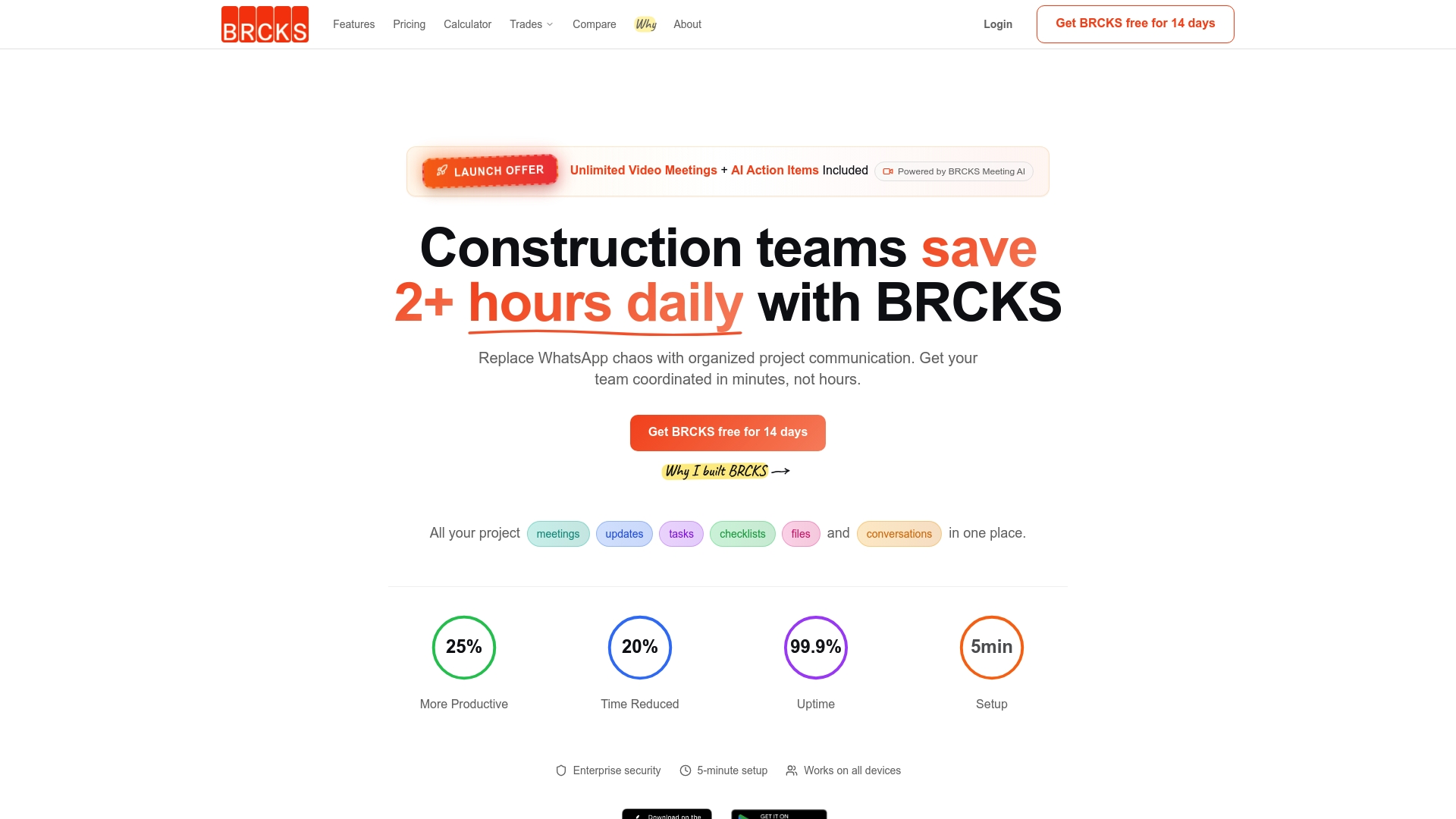
BRCKS provides a unified platform replacing fragmented WhatsApp groups, emails, and spreadsheets with organised project workspaces. Features include unlimited video meetings with AI-generated action items, mobile apps for on-site updates, and automated task checklists ensuring regulatory requirements don’t slip through gaps. The platform saves UK construction teams over two hours daily through improved coordination and reduced miscommunication.
Explore construction software for builders and construction project communication solutions designed for residential construction professionals seeking efficiency improvements. A 14-day free trial lets you experience the difference purpose-built tools make in daily project management.
Frequently asked questions
What essential project management skills should plumbers develop?
Plumbers need strong regulatory compliance understanding covering Building Regulations, gas safety, and water authority requirements. Effective communication skills ensure clear coordination with homeowners, other trades, and inspectors. Labour and cost planning abilities prevent budget overruns and schedule delays. Basic software proficiency helps leverage digital tools for compliance tracking and progress monitoring.
How can plumbers ensure compliance with UK plumbing regulations?
Plan compliance requirements during project initiation, securing necessary Planning Permission, Building Control approvals, and Party Wall agreements before work begins. Maintain thorough documentation throughout the project including approval conditions, inspection records, and certification requirements. Use compliance checklists integrated into project management workflows, setting automated reminders for critical notification and inspection milestones.
Which project management software features benefit plumbers most?
Centralised communication platforms eliminate fragmented conversations across multiple apps, reducing miscommunication that causes costly errors. Task checklists with AI-generated reminders boost productivity by automating compliance notifications and inspection scheduling. Mobile applications enable real-time on-site updates, providing office teams with immediate visibility into progress and issues. Explore construction software features for plumbers designed specifically for residential trade workflows.
What common mistakes should plumbers avoid in project management?
Never underestimate compliance requirements or begin work before securing necessary approvals, as retrospective compliance proves expensive and time-consuming. Avoid fragmented communication across WhatsApp, email, and phone calls; unified platforms prevent critical information from getting lost. Plan labour in detail rather than using rough estimates, incorporating realistic task durations and contingency time to prevent delays and cost overruns that damage profitability.
Recommended
- Construction Software for Plumbers | BRCKS
- Construction Software for Electricians | BRCKS
- Construction Software for HVAC Contractors | BRCKS
- Construction Project Management Insights | BRCKS Blog
- English Speaking Plumber in Belgium | Eutradesmen
How BRCKS Can Help
Mastering project management is essential for any UK plumber looking to scale their residential business without compromising on quality or profit. By integrating BRCKS into your daily workflow, you can automate administrative tasks and keep your site documentation organised in one secure place. Our platform is designed to handle the heavy lifting of project coordination, allowing you to focus on delivering expert craftsmanship to your clients. Discover how BRCKS can streamline your next installation by exploring our features today. Learn more at BRCKS.