Maximise efficiency in construction workflows for UK projects
UK residential construction teams face a 21% productivity deficit. Discover evidence-backed strategies to optimise your workflows and deliver projects on time and within budget.
By James Shorter ·
Maximise efficiency in construction workflows for UK projects
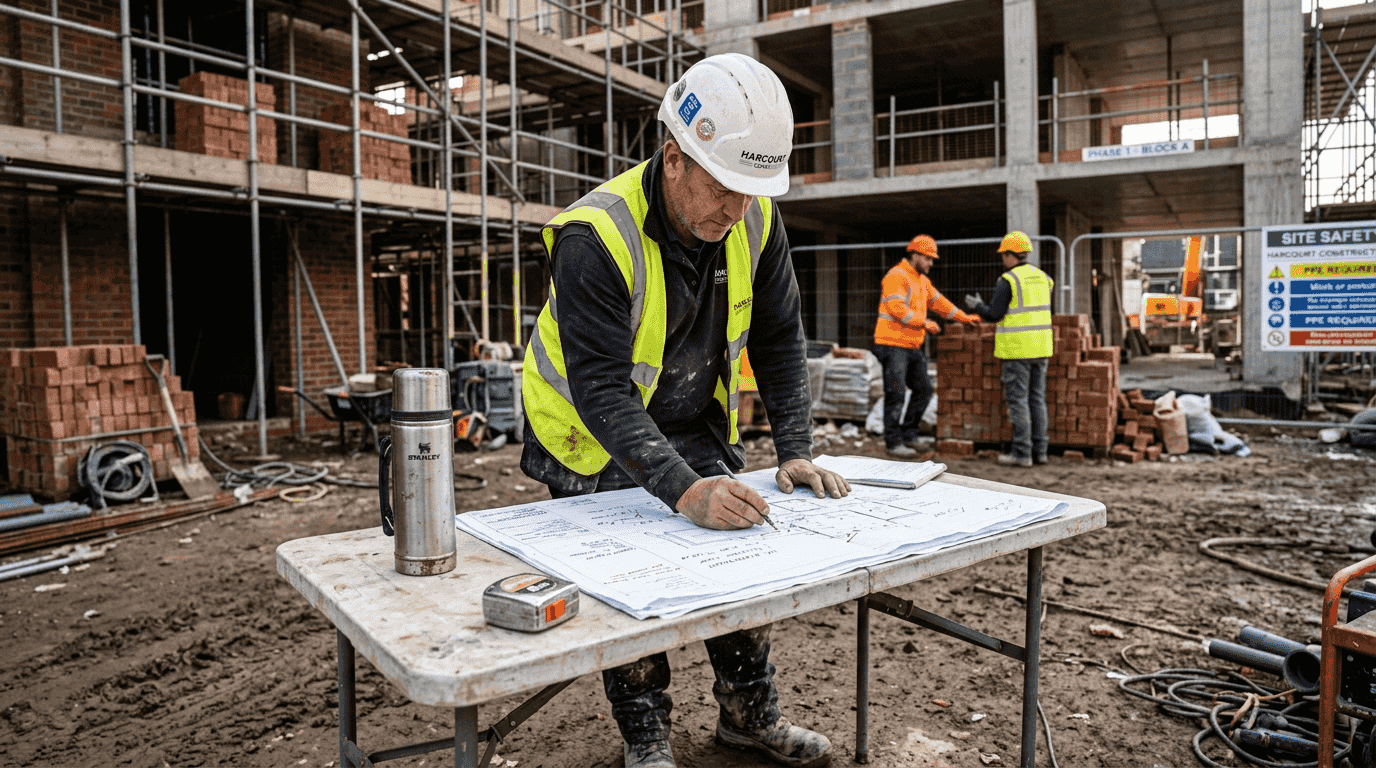
UK residential construction teams lose an average of 21% productivity compared to the national economy, yet most project managers still rely on fragmented tools and outdated planning methods. This efficiency gap translates directly into delayed completions, budget overruns, and compromised quality across thousands of projects annually. Understanding how to optimise workflows through proven strategies, modern methods, and digital coordination can transform your project outcomes. This guide explores evidence-backed approaches to enhance efficiency, from resource management and technology adoption to planning improvements that deliver measurable results in cost savings, time reduction, and team coordination.
Table of Contents
- Understanding Operational Efficiency In Construction Workflows
- Leveraging Technology And Modern Methods To Boost Workflow Efficiency
- Avoiding Planning Pitfalls And Strengthening Project Control For Smoother Workflows
- Applying Efficiency Principles To UK Residential Construction Projects
- Improve Your Construction Workflows With BRCKS Software
Key takeaways
| Point | Details |
|---|---|
| Efficiency requires optimising resources | Effective workflow management minimises waste whilst maximising labour, materials, and equipment utilisation throughout project lifecycles. |
| Digital tools transform coordination | Technology adoption improves scheduling accuracy, communication clarity, and risk management across all project phases. |
| Planning quality determines outcomes | Robust project control processes prevent common mistakes that cause delays, cost overruns, and safety incidents. |
| Modern methods accelerate delivery | Modular and off-site construction techniques can reduce timelines by 12 to 35 weeks whilst cutting costs significantly. |
Understanding operational efficiency in construction workflows
Operational efficiency pertains to optimal resource management across labour, materials, and equipment whilst minimising waste and project disruptions. For UK residential construction teams, this means coordinating every workflow element to deliver projects on time, within budget, and to specification. Yet many project managers struggle to achieve consistent efficiency because they lack visibility into how resources actually flow through their workflows.
The UK construction industry faces a persistent productivity deficit, with performance 21% below the national economy average. This gap exists despite technological advances and improved building methods. The root causes include fragmented communication systems, inadequate planning processes, and resistance to adopting proven efficiency strategies. When teams rely on WhatsApp groups, email chains, and disconnected spreadsheets, critical information gets lost and decisions get delayed.
Typical workflow inefficiencies manifest in several recognisable patterns. Delays occur when materials arrive late or workers wait for approvals. Miscommunication between site teams and office staff creates rework and errors. Equipment sits idle because scheduling conflicts weren’t identified early. Design changes ripple through workflows without proper coordination. Each inefficiency compounds, turning minor issues into major project setbacks that erode margins and damage client relationships.
Several key factors influence how efficiently your workflows operate:
- Labour productivity and skill availability directly impact task completion rates and quality standards
- Materials management affects whether resources arrive when needed without excess inventory costs
- Equipment utilisation determines if machinery generates value or sits unused on site
- Communication systems either enable seamless coordination or create bottlenecks and confusion
- Planning processes establish whether teams work proactively or constantly react to problems
Pro Tip: Treat efficiency as an ongoing improvement process rather than a one-off initiative. Regular workflow reviews help identify emerging bottlenecks before they escalate into costly problems. Small adjustments to communication patterns or resource allocation can yield significant productivity gains across your entire project portfolio.
Improving construction workflow management requires understanding these foundational concepts before implementing specific solutions. Once you recognise where inefficiencies originate, you can target interventions that deliver measurable improvements rather than adopting tools that don’t address your actual constraints.
Leveraging technology and modern methods to boost workflow efficiency
Digital technologies enhance construction project management with verified benefits across scheduling, communication, and risk management functions. For UK residential projects, adopting the right digital tools transforms how teams coordinate activities and share information. Cloud-based platforms centralise project data so everyone accesses current drawings, specifications, and schedules. Mobile applications enable site workers to update progress, report issues, and access documents without returning to the office. These technologies eliminate the delays and errors that plague projects relying on paper-based systems or fragmented communication channels.
Building Information Modelling represents a collaborative approach where all stakeholders work from shared digital models throughout design and construction phases. BIM enables clash detection before construction begins, reducing costly on-site corrections. It facilitates better coordination between trades by visualising how systems interact. For residential projects, BIM improves accuracy in material quantities and construction sequences, leading to fewer surprises and smoother workflows. The technology also supports better facility management after project completion.
Modern construction methods offer substantial efficiency advantages over traditional approaches. Modular buildings can save 7 to 36% on project costs and cut construction time by 12 to 35 weeks compared to conventional methods. Off-site timber frame construction offers time efficiency and superior quality control through factory-based manufacturing. These methods shift much of the construction work to controlled environments where weather delays don’t disrupt schedules and quality standards remain consistent.
| Method | Cost Impact | Time Savings | Waste Reduction | Adaptability |
|---|---|---|---|---|
| Traditional construction | Baseline | Baseline | Higher waste | High flexibility |
| Modular construction | 7-36% savings | 12-35 weeks faster | Significant reduction | Moderate flexibility |
| Off-site timber frame | Competitive | Substantial gains | Controlled waste | Design-dependent |
Key benefits of adopting these innovations include:
- Reduced overall project costs through efficient material usage and shortened schedules
- Shorter construction timelines enabling faster project delivery and revenue realisation
- Less construction waste through precise manufacturing and optimised material specifications
- Better quality outcomes from controlled manufacturing environments and standardised processes
- Improved safety records as more work occurs in factory settings rather than on-site
Pro Tip: Combine construction methods based on your specific project requirements rather than adopting a single approach universally. A hybrid strategy might use modular units for repetitive elements whilst employing traditional methods for custom features, optimising both efficiency and design flexibility.
Understanding how to implement project management money-saving strategies alongside modern methods maximises your efficiency gains. Technology and methods work together, with digital tools enabling better coordination of modular components and off-site manufacturing schedules. This integration supports the construction operation and maintenance requirements that extend beyond project completion.
Avoiding planning pitfalls and strengthening project control for smoother workflows
Common planning mistakes cause cost overruns, delays, and communication breakdowns that undermine even well-resourced projects. Inadequate initial planning creates cascading problems throughout construction phases. Unrealistic schedules set teams up for failure from day one. Insufficient resource allocation means workers and materials aren’t available when needed. Poor risk assessment leaves projects vulnerable to predictable disruptions. These planning failures stem from treating planning as a one-time exercise rather than an ongoing process requiring regular updates and honest reassessment.
Project control weaknesses amplify planning deficiencies by failing to detect and correct problems early. When teams lack real-time visibility into progress, issues compound before anyone recognises the severity. Inadequate change management processes allow scope creep to erode budgets and timelines. Weak communication protocols mean critical information doesn’t reach decision-makers promptly. Poor documentation practices create disputes and rework when specifications remain unclear or contradictory.
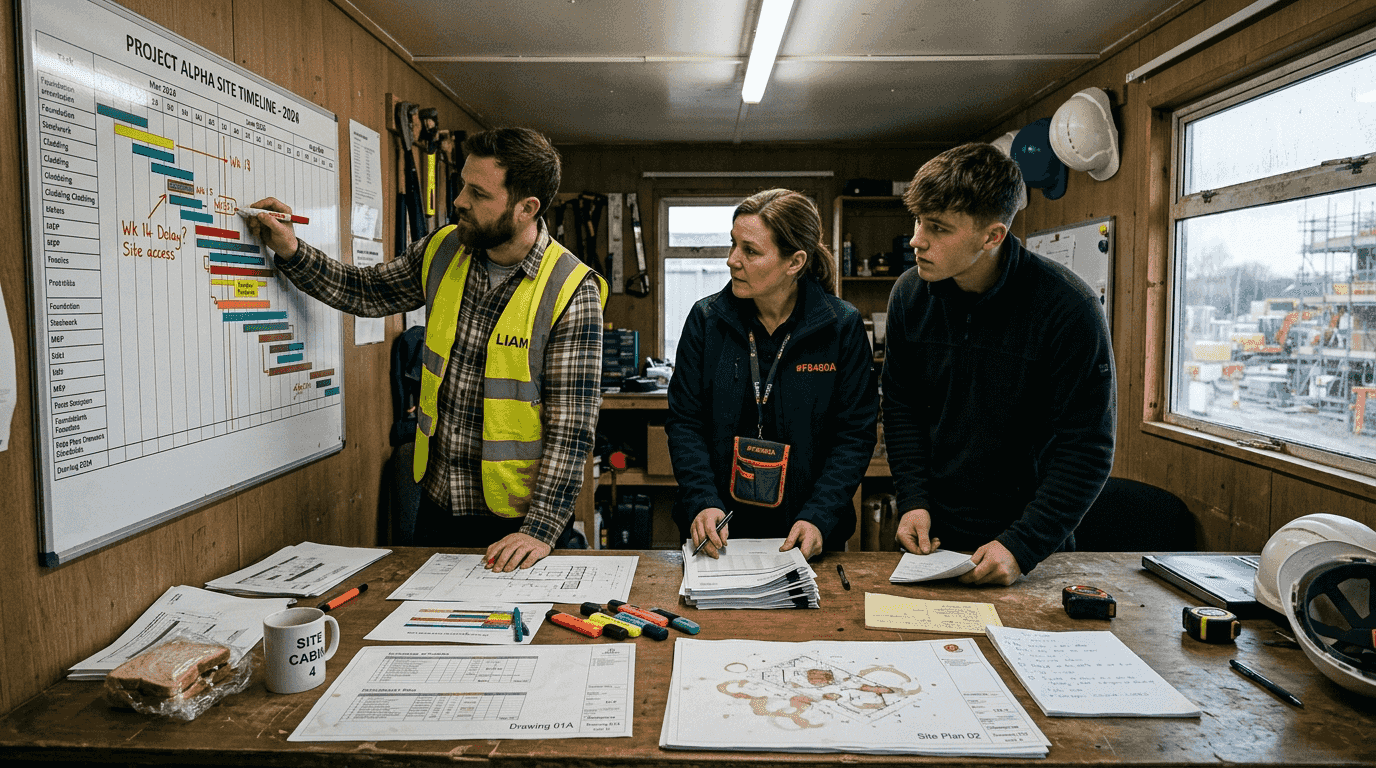
A study highlights 65 recommendations for improving project control to reduce inefficiencies across UK construction projects. The most impactful recommendations address communication workflows, progress monitoring, and proactive risk management. Implementing these practices requires commitment from project leadership and investment in systems that support better control processes.
Top actionable best practices for strengthening project control include:
- Establish clear communication protocols defining who needs what information, when, and through which channels to prevent critical updates from being missed
- Implement daily progress tracking with visual dashboards showing actual versus planned completion across all work packages and trades
- Conduct weekly risk reviews identifying emerging threats and adjusting plans proactively rather than reacting after problems materialise
- Maintain centralised document management ensuring all team members access current drawings, specifications, and change orders without confusion
- Schedule regular coordination meetings bringing together all trades to resolve conflicts and align upcoming activities before issues arise on site
- Use standardised reporting formats enabling quick comparison of performance across different projects and identification of improvement opportunities
- Document lessons learned throughout projects, not just at completion, capturing insights whilst details remain fresh and actionable
“Construction sites with inadequate project control face higher incident rates, with fatalities and serious injuries often linked to poor planning, communication failures, and insufficient risk management protocols.”
Effective communication workflows play a central role in reducing errors and delays. When teams can quickly share updates, raise concerns, and coordinate activities, problems get resolved before they impact schedules. Improving construction communication requires both cultural changes and supporting technology. Project managers must create environments where workers feel comfortable reporting issues early rather than hiding problems until they become critical.
Pro Tip: Integrate risk management into your daily workflow routines rather than treating it as a separate planning exercise. Start each day by reviewing potential risks for planned activities and end each day documenting any new risks identified. This continuous approach builds risk awareness across your team and enables faster responses when threats materialise.
Research shows construction communication workflows can cut rework by 52% when properly implemented. These improvements come from ensuring everyone works from current information and understands their responsibilities clearly. The time invested in establishing robust communication and control processes pays dividends through smoother project execution and fewer costly corrections.
Applying efficiency principles to UK residential construction projects
The UK government target of 300,000 new homes annually in England highlights the urgency for efficient workflows across the residential construction sector. Scotland has set similarly ambitious targets for housing delivery. Meeting these goals requires project teams to adopt proven efficiency strategies rather than continuing with traditional approaches that perpetuate the productivity gap. Every project manager and team leader must examine their current workflows and identify specific improvements that accelerate delivery without compromising quality or safety standards.
Practical steps to enhance efficiency in your residential projects include:
- Optimise resource allocation by analysing historical data to predict labour and material requirements more accurately for upcoming phases
- Invest in comprehensive planning that includes contingency buffers for realistic risks rather than optimistic best-case scenarios
- Adopt digital communication platforms that centralise project information and eliminate the chaos of fragmented messaging across multiple apps | Reduce meeting time by preparing clear agendas and using asynchronous updates for routine information sharing
- Implement standardised processes for recurring activities like site inspections, progress reporting, and change order management
- Train team members on new tools and methods rather than assuming adoption will occur naturally without support
Typical time and cost savings achievable through modern construction methods demonstrate the potential efficiency gains:
| Project Type | Traditional Timeline | Modular Timeline | Cost Comparison | Quality Impact |
|---|---|---|---|---|
| 3-bedroom house | 32 weeks | 18-24 weeks | 15-25% savings | Consistent standards |
| 4-unit development | 48 weeks | 28-36 weeks | 20-30% savings | Reduced defects |
| 10-unit scheme | 68 weeks | 42-52 weeks | 25-36% savings | Factory precision |
Many UK businesses wrongly assume modular construction costs more, despite evidence to the contrary. This misconception prevents adoption of methods that could significantly improve project efficiency. The perceived higher upfront costs often reflect unfamiliarity with modular processes rather than actual expense differences. When teams account for reduced site time, lower labour costs, and fewer defect corrections, modular approaches frequently deliver better value than traditional construction.
Continuous workflow review and adaptation remain essential for maintaining efficiency improvements over time. What works efficiently for one project may need adjustment for different site conditions, team compositions, or client requirements. Successful project managers regularly assess their processes, gather feedback from team members, and implement refinements based on lessons learned. This iterative approach builds organisational capability that compounds across multiple projects.
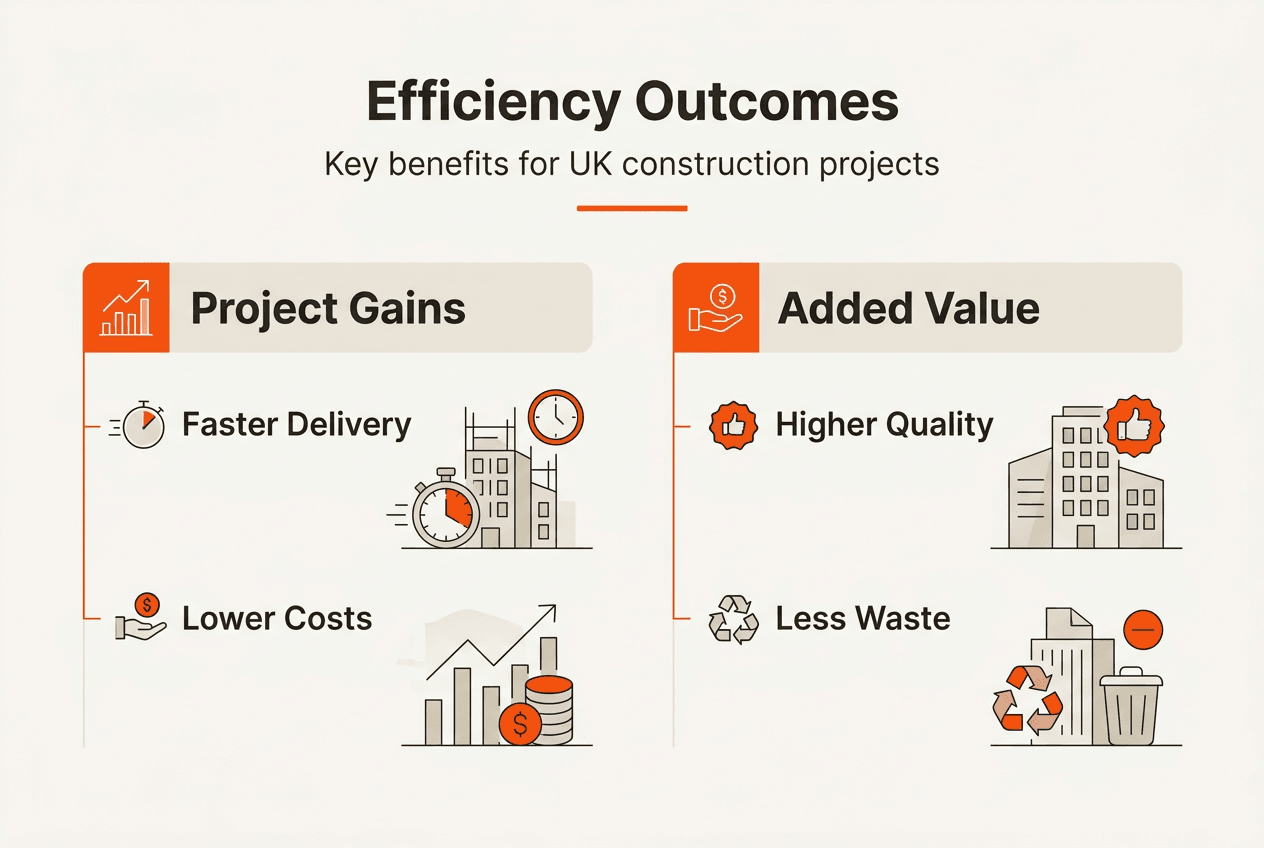
Efficiency improvements contribute to multiple positive outcomes beyond faster completion. Cost savings improve project margins and competitive positioning. Time reduction enables earlier revenue recognition and faster portfolio turnover. Enhanced safety records reduce insurance costs and protect team wellbeing. Better quality outcomes increase client satisfaction and generate referrals for future work. These benefits justify the effort required to transform workflows from inefficient traditional approaches to optimised modern practices.
Implementing project management money-saving strategies alongside efficiency improvements maximises financial performance. Understanding how information sharing cuts construction errors by 70% in UK projects demonstrates the tangible value of better communication workflows. These evidence-backed approaches provide clear pathways for residential construction teams seeking competitive advantages through operational excellence.
Improve your construction workflows with BRCKS software
Transforming your construction workflows from fragmented chaos to streamlined efficiency requires tools designed specifically for how construction teams actually work. BRCKS provides a comprehensive platform that addresses the communication bottlenecks and coordination challenges highlighted throughout this guide. By centralising all project information in one accessible location, BRCKS eliminates the productivity losses caused by switching between WhatsApp groups, email threads, and disconnected applications.

The software supports the project control best practices discussed earlier through features like unified project feeds, task management, and document sharing that keep everyone aligned. Construction software for builders delivers the transparency and coordination capabilities that enable teams to implement efficiency strategies effectively. When you can see project status in real time, identify emerging issues quickly, and communicate decisions instantly, you gain the control needed to maintain smooth workflows even as complexity increases.
Explore how BRCKS compares to the fragmented communication tools currently slowing your projects by reviewing our comparison of construction communication tools. Discover how construction project communication software designed for UK residential construction teams can save over two hours daily whilst reducing errors and improving project outcomes. The platform’s intuitive design means your team can start benefiting from better workflows within days, not months.
What is the role of efficiency in construction workflows?
What does operational efficiency mean for construction project managers?
Operational efficiency means maximising output from available resources whilst minimising waste, delays, and errors throughout project workflows. For construction project managers, this translates to coordinating labour, materials, and equipment so work proceeds smoothly without bottlenecks or idle time. Efficient workflows deliver projects on schedule and within budget whilst maintaining quality standards and safety requirements.
How does technology adoption improve construction workflow efficiency?
Digital technologies improve workflow efficiency by centralising project information, enabling real-time communication, and automating routine coordination tasks. Cloud-based platforms ensure everyone accesses current documents and schedules, eliminating confusion from outdated information. Mobile applications allow site workers to update progress and report issues immediately, accelerating decision-making and problem resolution compared to paper-based or email-dependent processes.
Are modular construction methods actually more expensive than traditional approaches?
Modular construction typically costs 7 to 36% less than traditional methods when accounting for total project expenses including reduced site time, lower labour costs, and fewer defect corrections. The misconception that modular costs more often stems from unfamiliarity with the process or comparing only initial material costs without considering the substantial savings from shortened schedules and controlled manufacturing quality.
What planning mistakes most commonly undermine construction project efficiency?
The most damaging planning mistakes include creating unrealistic schedules without adequate contingency buffers, failing to allocate sufficient resources for critical path activities, and treating planning as a one-time exercise rather than an ongoing process requiring regular updates. Poor risk assessment leaves projects vulnerable to predictable disruptions, whilst inadequate communication protocols prevent teams from coordinating effectively as conditions change.
How can project managers strengthen control processes to maintain workflow efficiency?
Strengthening project control requires implementing daily progress tracking, establishing clear communication protocols, conducting weekly risk reviews, and maintaining centralised document management. Visual dashboards showing actual versus planned completion help identify problems early. Regular coordination meetings between trades prevent conflicts from disrupting workflows. Standardised reporting formats enable quick performance comparison and identification of improvement opportunities across projects.
What efficiency improvements should UK residential construction teams prioritise in 2026?
Prioritise adopting digital communication platforms that centralise project information, implementing modular or off-site construction methods where appropriate, and establishing robust planning and control processes. Focus on improvements that address your specific bottlenecks rather than adopting solutions because they seem innovative. Measure results through metrics like schedule adherence, budget variance, and rework rates to ensure changes deliver genuine efficiency gains.
Recommended
- BRCKS | Construction Project Communication Programme
- BRCKS | Construction Project Communication Programme
- Construction Software for Builders | BRCKS
- BRCKS | Construction Project Communication Programme
- Top 5 Continuing Education Platforms for Construction 2026
- IEC 62305-2 Risk Assessment Worksheet Guide 2026
How BRCKS Can Help
Streamlining construction workflows is essential for staying competitive in the UK market, and having the right digital tools makes all the difference. BRCKS simplifies this process by centralising project data and automating routine tasks, allowing your team to focus on delivery rather than paperwork. By integrating these efficiencies into your daily operations, you can ensure every project remains on track and within budget. We invite you to explore how BRCKS can transform your project management and help your business thrive. Learn more at BRCKS.